01
Measure Visible Area
Record the width and height of each screen or window’s visible, active display area—measure only the part that needs protection.
Minimize screen glare and protect your displays in Ann Arbor’s dynamic indoor and outdoor environments with custom anti-glare film solutions.
Ann Arbor’s mix of vibrant storefronts, indoor venues, college campuses, and wintery scenes means screen glare is a practical challenge for businesses and public spaces year-round. Reflections from streetlights, headlights, and low winter sun can make displays hard to read—and with snow on the ground, the glare is only amplified.
Anti-glare film from Screen Solutions International addresses glare and reflections on screens, window displays, and digital kiosks with custom-fit solutions that work for Ann Arbor’s changing seasons. Whether you operate a retail window on Main Street, manage digital signage in a busy lobby, or maintain fuel station kiosks, you can specify film that meets your needs for image quality, usage, and protection. Every quote is tailored to your screen, location, and display type.
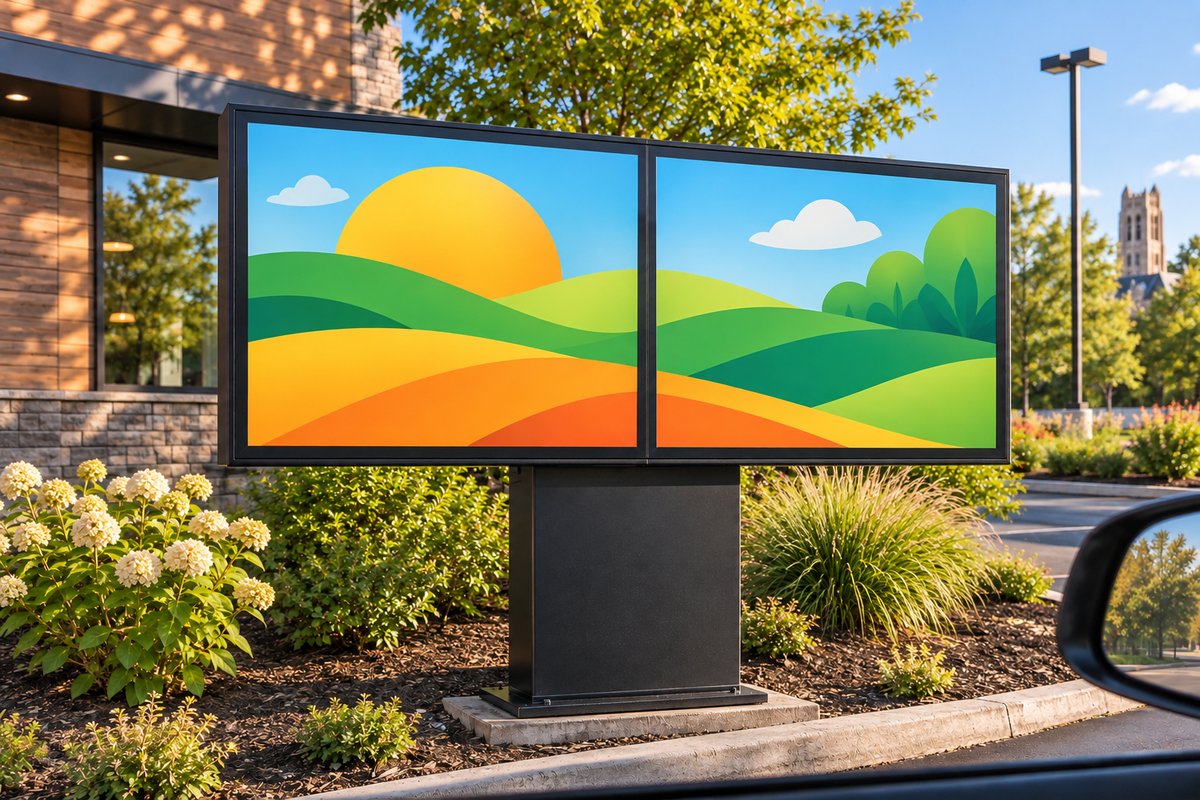
Record the width and height of each screen or window’s visible, active display area—measure only the part that needs protection.
Take photos that show each screen or window in its real setting. Note if the display is a touchscreen, indoors or outdoors, and describe the surrounding lighting.
Contact SSI’s team by phone or email with your measurements, photos, quantity, usage, and film preference. Project advice is U.S.-based and available Monday to Friday, 8 am to 4 pm Pacific.
Shops and venues in Ann Arbor’s historic and modern retail districts use anti-glare film to make digital signage and window displays visible, even during bright winter days and early evenings.
Weather-exposed screens at Ann Arbor transit hubs, fuel stations, and sidewalk kiosks benefit from custom-cut anti-glare film, blocking harsh reflections from low sun angles, snow, and vehicle lights.
Banks, quick-service restaurants, and public venues rely on anti-glare film to protect and clarify digital menu boards, ATMs, and informational displays that risk glare from natural and artificial lighting.
Select Standard Anti-Glare Film for toughest glare reduction in Ann Arbor’s high-glare environments—fuel stations, street-facing digital signage, ATMs, or menu boards exposed to snow and winter sunlight. This film delivers maximum glare diffusion and robust surface protection, ideal for high-use, public-facing screens.
For retail, museum, and touch displays where image sharpness matters as much as glare control, choose Ultra Clear Anti-Glare Film. It balances glare reduction with higher display clarity—perfect for premium Ann Arbor storefronts, galleries, or interactive touchscreens with demanding visuals or branding.
Identify your Ann Arbor power utility for guidance on digital sign power and operation, especially if adding outdoor or backlit displays.
Refer to local sign codes for requirements on sign placement, brightness, and glare—essential for legal and safe digital display upgrades.
Check Ann Arbor’s current and upcoming weather before scheduling screen upgrades or outdoor film applications—timing can affect results.
Ann Arbor, MI experiences distinct weather patterns that directly impact how glare and reflections appear on displays. In winter, low sun angles and visible snow can amplify glare on storefront windows, digital menu boards, and kiosks, making screens harder to read or use. Even in spring and fall, the combination of clear skies and bright street lighting calls for smarter screen solutions.
Retailers, campus venues, and service providers along Main Street and throughout Ann Arbor face a persistent challenge: keeping digital screens clear to attract and serve passersby, regardless of lighting. Glare not only hurts display visibility but also affects brand presentation, customer interaction, and accessibility.
Anti-glare film, surface-applied in a precise matte layer, offers a practical way to diffuse these reflections at their source. In commercial contexts—like window displays, campus event screens, or bank ATMs—the right anti-glare film ensures content stays visible, clear, and protected from fingerprints, scratching, and smudges, season after season.
By requesting your quote with local context in mind and sharing photos, you can help SSI’s team recommend either ultra-strong glare control or a clarity-optimized solution that fits Ann Arbor’s mix of environments.
When adding anti-glare film to screens in Ann Arbor, integrating it with existing operations means considering power supply, weather, and compliance. For electric digital signs and displays, connecting with your local utility (such as DTE) ensures that upgrades fit current codes and infrastructure.
Weather is particularly important in Michigan. Plan outdoor anti-glare film installations during dry, mild conditions, as high humidity or snow can impact surface preparation. Check National Weather Service forecasts before scheduling major upgrades or maintenance, especially in transitional seasons.
For venues adding new digital signage or updating windows visible from public streets, consult the City of Ann Arbor’s sign code and permit requirements. This helps ensure legal compliance regarding brightness, glare limits, and allowable hours of operation for illuminated displays.
Upfront planning—including measuring your displays, gathering site photos, and reviewing local requirements—makes your anti-glare project seamless and effective for Ann Arbor’s diverse venues.
A common pitfall is choosing film solely by display type rather than by environment and usage. Highly public, outdoor, or utility-focused screens—such as those at gas stations or transit centers—benefit most from Standard Anti-Glare Film, which delivers the strongest glare reduction and surface protection. Indoor, premium, and touch displays often call for Ultra Clear Anti-Glare Film to keep the image sharper while still diffusing glare.
Another mistake is estimating screen sizes or neglecting to consider the complete active display area. Always measure the visible parts of your screen or window, excluding surrounding trim, for a precise fit and uniform protection.
Neglecting to send photos or skipping consultation with SSI’s team can result in less effective results. SSI provides U.S.-based sales and project guidance—photos and display descriptions help their team deliver tailored recommendations.
Finally, proper surface preparation is essential. Install only on clean, smooth, and dry surfaces, as dirt or residual moisture can affect adhesion quality. Thoughtful prep and communication help avoid installation headaches and result in lasting glare control.
Surface-applied anti-glare films diffuse incoming light, breaking up direct reflections that make screens hard to read in bright or reflective environments. The result is reduced glare and a matte finish that helps digital content stay visible, even in Ann Arbor’s winter sun, early sunsets, or near vehicle lighting.
Standard Anti-Glare Film offers the strongest glare reduction for utility, public-facing, and outdoor screens—like those at kiosks, gas pumps, or ATMs—where absolute glare control is key. Ultra Clear Anti-Glare Film balances glare reduction with higher clarity, making it ideal for premium displays needing sharper visuals, such as retail windows and touchscreens.
Film choice depends on your need for glare reduction versus image clarity. Describe your location (indoor, outdoor, public access), display type (utility screen, retail, touch), and your top concern (max glare reduction or high clarity). Photos and dimensions are helpful—contact SSI for tailored product advice based on your setup.
Yes, anti-glare film from Screen Solutions International can be used on many touchscreen and interactive displays, depending on the screen’s surface and purpose. Sharing your touchscreen model or photos ensures the film is compatible and meets your performance needs. This provides both glare reduction and scratch protection for high-use environments.
Anti-glare films work by softly diffusing light, which can slightly soften ultra-fine image details, especially with Standard Film. Ultra Clear Anti-Glare Film retains more sharpness and color vibrancy. If image clarity is critical for your application, include this priority in your quote request and send screen photos so SSI’s team can recommend the right product.
To request your custom quote, provide the width and height of the visible area, surface type (glass, acrylic, touchscreen), number of screens, indoor/outdoor use, film preference, clear context photos, and your shipping location. SSI’s experts will review your details, clarify any questions, and recommend the best anti-glare film solution for your Ann Arbor needs.