01 · Measure
Measure the Visible Screen Area
Record the width and height of the viewable area on your window, screen, or display. Accurate sizing ensures a precise custom cut.
Combat harsh window reflections, low winter sun glare, and bright lights on every screen with custom anti-glare film made for Chicago venues.
Chicago’s vibrant storefronts, busy lobbies, and public venues face challenging conditions year-round: strong window reflections, bright interior lighting, and especially the intense glare off snow and low sun during a long winter. Anti-glare film from AntiGlareFilms.com, made by Screen Solutions International (SSI), helps property managers and business owners protect their digital signage, kiosks, touchscreens, and window displays from disruptive glare—while preserving image quality for customers and passersby.
Applied directly to glass, acrylic, or many touchscreen surfaces, SSI’s custom-cut anti-glare films reduce distracting reflections, enhance display visibility, and add a protective layer against scratches, fingerprints and smudges. With two distinct types—Standard for maximum glare reduction in tough light, and Ultra Clear for impressive clarity—each surface and display can get the right protection for Chicago’s unique mix of seasons and lighting conditions.
Record the width and height of the viewable area on your window, screen, or display. Accurate sizing ensures a precise custom cut.
Pick the Standard film for the strongest glare reduction, or Ultra Clear for a balance of glare control and higher image sharpness. Not sure? Send photos and screen details to our sales team for guidance.
Submit your measurements, quantity, surface type, usage (indoor/outdoor, touchscreen), film preference and shipping location. The SSI team will follow up promptly.
Cut down bright street and seasonal glare on digital window displays and merchandising screens, keeping visuals clear for shoppers year-round.
Protect digital signage and information panels in transit centers, high-traffic lobbies, or mall atriums with anti-glare film that deflects bright overhead lights and winter sun.
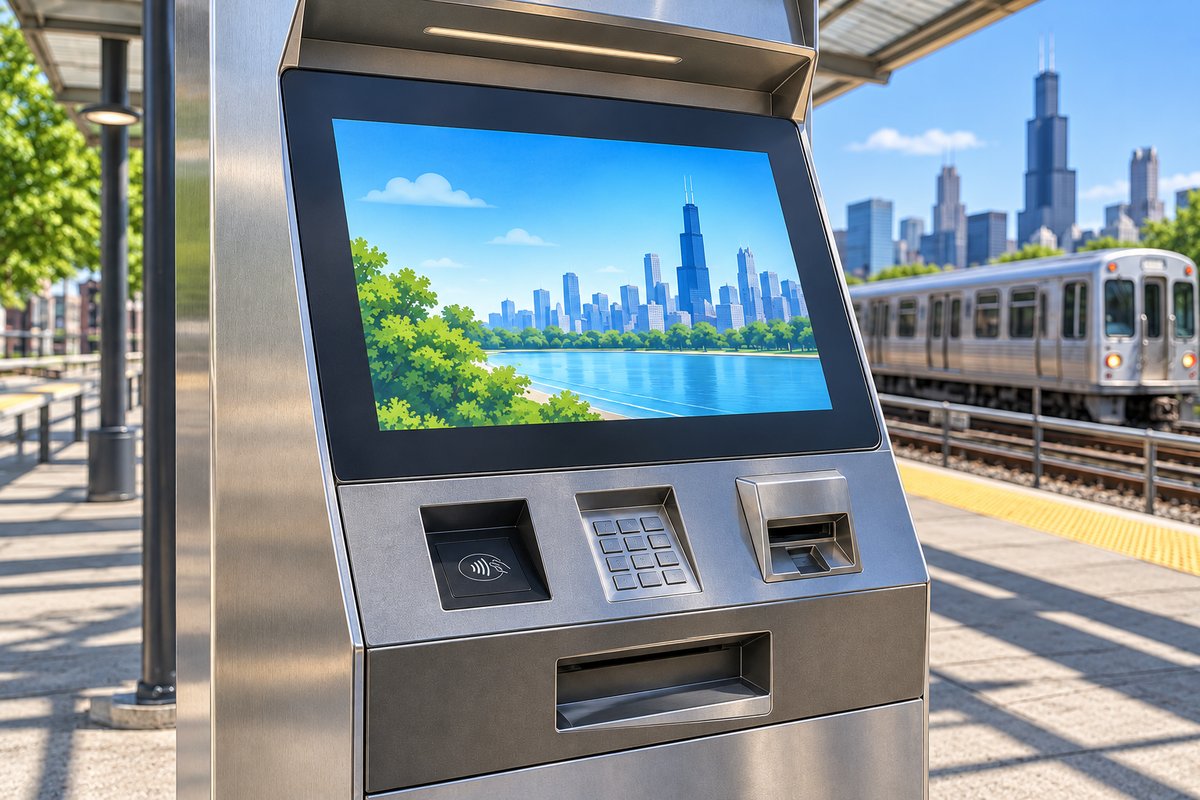
Tackle sun glare and improve visibility in all seasons for outdoor kiosks, fuel station pumps, ATMs, and drive-thru menu boards with the right anti-glare film.
Choose Standard Anti-Glare Film for retail window displays, public-facing kiosks, ATMs, drive-thru and menu boards exposed to intense winter sun or outdoor glare in Chicago. It delivers the strongest glare control and surface protection—ideal for utility and high-traffic screens where absolute clarity is less important than cutting down reflections.
Ultra Clear Anti-Glare Film is suited for digital displays inside upscale shops, museums, or where touch and image sharpness matter. It softens glare while keeping visuals crisp—making it the right fit for touchscreen panels, showroom screens, or premium retail settings with demanding display standards.
Use ComEd for questions about electrical service and safe power supply when installing or upgrading digital signage or outdoor display equipment in Chicago.
Monitor local forecasts to plan installation during mild weather and stay aware of the risk for snow, rain, or rapid temperature swings.
Chicago features strong seasonal contrasts—bright, snowy winters with low sun heighten glare on storefront windows and outdoor displays, while warm summers and intense street lighting add year-round challenges to maintaining display visibility. Retailers and property managers often struggle with sunlight reflecting directly into front-facing screens along busy corridors like Michigan Avenue and through the lakefront’s open exposures.
Winter glare, intensified by snow and low-angle sun from November through March, can make digital signage nearly unreadable. Likewise, mall lobbies and transit stations are flooded with overhead lights, creating reflections that distract customers and commuters. The right anti-glare film helps diffuse these reflections, keeping branding and information clear.
Each location in Chicago has different needs—some require maximum glare reduction in harsh light, while others prioritize sharp visuals for close-up or touchscreen use. Both seasonal sun angles and the city’s bright, reflective urban surfaces should be considered when selecting a film.
Before ordering, take note of each display’s orientation, typical light sources, and whether the neighborhood tends to gather snow piles or expose windows to sunset glare. Providing this context along with photos ensures the SSI team can recommend the best film for your application.
Before adding or upgrading digital displays with anti-glare film, review the electrical requirements and your property’s power capacity with Commonwealth Edison (ComEd). Proper planning helps ensure displays and protective films work reliably through Chicago’s variable weather, including summer thunderstorms and freezing winter temperatures.
Film should be installed on clean, dry, and smooth surfaces—not during snow, rain, or extreme cold. Use the National Weather Service’s Chicago forecast to schedule installation windows with stable conditions, especially for outdoor or unheated locations.
Outdoor kiosks, pumps, and menu boards that face west or north may suffer from prolonged winter glare and drifting snow. Planning for these angles and exposures when selecting film type will ensure the best long-term results.
Check with local building management about any applicable display permits or requirements—especially for new exterior-facing signage or large-format screens visible from public sidewalks. Every project site may have unique rules or maintenance schedules.
The most common mistake is underestimating the level of glare caused by low winter sun and urban lighting, especially with Chicago’s frequent snow cover and street reflections. Choose your anti-glare film based on the brightest expected conditions, not just average daylight.
Measure only the visible (viewable) area of the screen—applying film to bezels or non-display areas can affect fit. For custom-sized window displays, double-check measurements and provide details on frame style or if the glass is sloped.
For interactive screens or those requiring crisp visuals—such as those in boutique retail or museums—choose Ultra Clear film to keep the images sharp while reducing reflections. If total glare suppression is the main goal, Standard Anti-Glare Film is recommended, even if it slightly softens the display image.
When unsure, always provide screen photos and environmental details. SSI’s team can help select the best film to meet Chicago’s varied display needs, different building lighting setups, and unique seasonal glare challenges.
Anti-glare film diffuses incoming sunlight and reflected streetlight, especially the glare that worsens during snowy Chicago winters. Applied as a thin layer to glass or acrylic, the film helps keep digital graphics and ads readable, reduces mirror-like reflections, and adds a layer of protection against scratches and smudges. It’s an ideal solution for window displays exposed to low winter sun or busy, well-lit streets.
Standard Anti-Glare Film is designed for maximum reduction of harsh glare—recommended for outdoor signs, kiosks, pumps, or menu boards where sunlight is most disruptive. Ultra Clear Anti-Glare Film balances glare diffusion with higher image sharpness, making it the preferred choice for bright indoor displays, museums, touchscreens, or retail windows where image clarity is crucial. SSI can help you decide based on your screen and environment—send photos for tailored recommendations.
Yes, both Standard and Ultra Clear anti-glare films add a protective layer to your glass, acrylic, or compatible touchscreen surfaces. This layer helps shield against routine scratches, fingerprints, and smudges, which are common in high-traffic Chicago locations such as restaurants, ATM vestibules, or retail shops.
Most anti-glare film applications are for flat, smooth surfaces; however, films can often be custom cut for a wide range of display sizes and shapes. For curved, unusually angled, or specialty screens, provide clear photos and surface info when you request a quote. The SSI team will advise if anti-glare film is suitable for your specific display.
Anti-glare films reduce visible reflections but do not increase the brightness of the screen itself. Standard film may very slightly soften the display image as a tradeoff for the strongest glare blocking, while Ultra Clear film reduces glare with much less impact on image sharpness. Confirm your display priorities—with SSI’s guidance—to choose the right solution for your Chicago screens.
Gather measurements of the visible area on each display, the quantity of screens, surface type (glass, acrylic, touchscreen), indoor or outdoor use, and specify a film preference if possible. Sending photos of each screen and the surrounding environment is strongly recommended. Then, contact SSI’s U.S.-based sales team by phone or email with your details and shipping information, and a representative will assist you with custom options for your project.