01 · Measure
Gather Your Screen Information
Measure the visible width and height of each screen, and note surface type (glass, acrylic, touchscreen). Photos help our team evaluate conditions.
Combat harsh Tennessee sunlight and enhance screen visibility on outdoor and sunlit displays in Clarksville, TN with precision-cut anti-glare film.
Clarksville’s bright seasons and rapidly changing weather expose outdoor screens to persistent glare, making visibility and screen protection a top priority for businesses throughout the area. Whether it’s a bustling local gas station, vibrant convenience store, modern EV charger, or a quick-serve drive-thru, keeping digital displays clear and easy to use is essential for smooth and satisfying customer interaction.
AntiGlareFilms.com, powered by Screen Solutions International (SSI), offers custom-cut matte anti-glare films to meet these challenges head-on. Specifically developed to diffuse strong sunlight and stubborn reflections, our anti-glare film helps maintain optimal screen performance, no matter the season. Both our Standard and Ultra Clear films are cut to your measurements, adhere to most glass and acrylic, and provide an added layer of scratch, fingerprint, and smudge protection for high-traffic, high-sun applications across Clarksville and the Southeast.
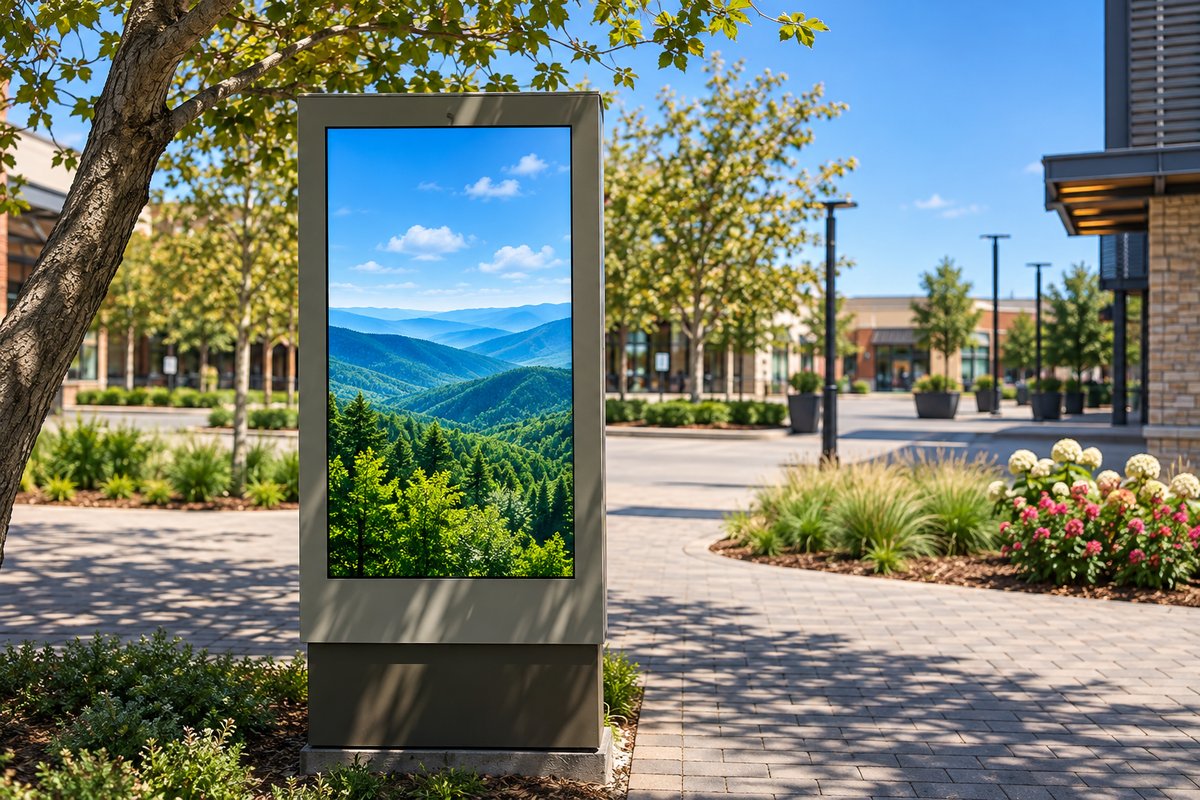
Measure the visible width and height of each screen, and note surface type (glass, acrylic, touchscreen). Photos help our team evaluate conditions.
Standard for maximum glare control; Ultra Clear for sharper images—send details and photos so SSI can recommend the best option for your display.
Contact us by phone or email with your measurements, screen details, film preference, indoor/outdoor use, quantity, and location to get your quote.
Maintain readable payment screens at fuel stations, minimize sun glare for drivers, and protect outdoor screens from scratches and fingerprints.
Increase order accuracy and customer satisfaction by diffusing willful sunlight on outdoor menus and QSR ordering kiosks throughout Clarksville.
Improve the legibility and appearance of self-service screens, ATMs, interactive retail displays, and storefront digital signage exposed to strong sun.
Choose Standard Anti-Glare Film in Clarksville when strong direct sunlight or outdoor weather push screens—like gas pumps, drive-thrus, or public kiosks—to their limits. This film delivers top-tier matte glare reduction and robust surface protection for utility and transactional displays in high-traffic locations.
Opt for Ultra Clear Anti-Glare Film where glare needs balancing with enhanced display clarity—key for premium retail counters, museum touch displays, or any screen where image detail is as important as usability in the sun.
Check the latest sun intensity, UV index, and expected weather in Clarksville so you can plan glare control and film longevity for your screens.
Clarksville’s climate brings mild winters and long, hot summers, with frequent bouts of intense sunlight from spring through fall. This makes anti-glare solutions a practical investment for any retailer, QSR, or fuel station owner operating public-facing screens throughout the year. Sun angles shift with the seasons, and glare can intensify at different times of day, particularly for screens that face south or west.
Reflective glare can make instructions and transaction interfaces unreadable, frustrating both customers and staff. Inconsistent weather with high humidity and rain poses further challenges by leaving streaks and residue on untreated glass, making daily cleaning a necessity. Choosing anti-glare film helps ensure crucial information on gas pumps, menu boards, and kiosks remains visible even as light conditions change over the day.
Applying a matte anti-glare film tailored for your screen’s exact size ensures optimal surface coverage and a seamless look on modern digital displays. Standard Anti-Glare Film best suits frequently used, utility-oriented installations where maximum performance against the brightest glare is required. For touch-first or visually-driven environments, Ultra Clear Anti-Glare Film provides a balanced approach—preserving detail and display sharpness essential for premium spaces.
Both options add crucial surface protection, reducing cleaning frequency and extending the clean, professional appearance of your outdoor digital assets across Clarksville’s active, sun-filled months. For year-round visibility and durability, consult SSI with photos and surface information to match your requirements to the right film.
Successful glare control starts with precise planning. Businesses in Clarksville should first assess where and when their screens face the most sunlight—such as at drive-up ATMs, EV chargers, or drive-thru lanes. Early morning and late afternoon sun can strike at different angles and may affect multiple display surfaces across the day.
Take detailed measurements of each screen’s visible area, noting any bezels or obstructions that define where film should be applied. Identify whether the display is glass, acrylic, or a specific type of touchscreen, since some interactive surfaces need particular attention for optimal touch performance.
Providing well-lit photos from different angles helps SSI’s support team evaluate exposure and recommend the ideal film type—Standard for highest glare problems, or Ultra Clear if touch interactivity and sharpness are critical. When in doubt, include each screen’s location, its typical sun path, and your preference for glare reduction versus display clarity. This ensures that your custom quote reflects both immediate needs and long-term usage demands.
For questions about local ordinances, public spaces, or installation within specific corporate or franchise guidelines, check with your local office or property management team. SSI’s project guidance will work from your supplied parameters and help streamline ordering for a smooth result.
A primary mistake with anti-glare film is misjudging the actual glare sources or ordering film without fully accounting for seasonal sun changes. Take note of how sunlight shifts through the day and year; a film that works in spring may need to be matched or adjusted for summer’s higher intensity.
Incomplete or inaccurate measurements can also lead to improper fit, leaving portions of the display exposed or causing edge lift over time. Always measure only the area that lights up or displays images, and round measurements down slightly for a perfect fit within bezels if needed.
Selecting the wrong type of anti-glare film for your display surface or application can reduce both usability and clarity. Utility screens (fuel pumps, kiosks, etc.) typically demand maximum glare reduction with the Standard film; touch or premium displays deserve Ultra Clear for balance. If you’re unsure, sending photos and details to SSI allows their specialists to recommend with confidence based on your actual use case.
Finally, a rushed or careless installation on a dirty or uneven surface can compromise adhesion and lead to poor results. Always prep the display or glass thoroughly according to SSI’s suggestions before applying your custom-cut film.
Anti-glare film from SSI diffuses harsh daylight and reflections on screens exposed to the sun, making text and images easier to see and interact with. It is especially effective on gas pumps, EV chargers, drive-thru displays, and outdoor kiosks prone to unreadable glare. The film also adds a protective matte layer, helping reduce scratches, smudges, and fingerprints—vital for high-traffic and public locations.
Choose Standard Anti-Glare Film if you want the strongest possible glare reduction for utility, transactional, and heavily used screens at fuel stations, banks, or QSRs. Select Ultra Clear Anti-Glare Film for applications where display sharpness and fine image detail are especially important, such as premium retail counters or museum touch displays. If you’re not sure, sending photos and usage details to SSI helps them recommend the best fit.
To receive an accurate quote, share the width and height of the visible screen area, the number of screens, their surface type (glass, acrylic, touchscreen), indoor or outdoor placement, your film preference (Standard or Ultra Clear), clear photos, and your shipping location. This ensures that your anti-glare film is custom-cut and tailored to your exact requirements.
Both film types work on many touchscreens, depending on the display, and can be used for a wide range of public and transactional applications. Standard film provides the strongest glare reduction and can slightly soften the image; Ultra Clear maintains higher display sharpness with balanced glare control. Reviewing your screen type and submitting photos to SSI ensures top performance for both touch function and clarity.
Yes, both Standard and Ultra Clear anti-glare films are suitable for outdoor and semi-outdoor settings and handle Tennessee’s weather well when applied to clean, smooth surfaces. The films create a protective matte barrier against daily wear and surface damage. Always refer to current local weather conditions and SSI’s application tips for best film adhesion and longevity.
Anti-glare film works by diffusing and reducing sunlight and reflections at the screen’s surface, not by increasing the screen’s brightness. It maintains readability and content visibility in harsh conditions, especially where changing sun angles can wash out crucial information on digital displays. The effect is a more consistently legible screen—especially for public and outdoor-facing installations.