Planning
Power and Weather Considerations for Screen Upgrades
Any project to improve digital screens or displays with anti-glare film should begin by checking on the stability and reliability of local services, especially as severe weather and storms can affect power and accessibility in Clifton, NJ. Use resources like the PSE&G Outage Map to avoid project delays or unexpected interruptions during installation windows.
Outdoor applications in particular require weather-conscious planning. Film adheres best in mild, dry conditions, and application should be scheduled to avoid rain, snow, or freezing temperatures. The National Weather Service extended forecast lets you time your upgrade for the most reliable results. For any work near busy streets, sidewalks, or public venues, coordinate with property managers or municipal offices to ensure compliance with local regulations or safety requirements.
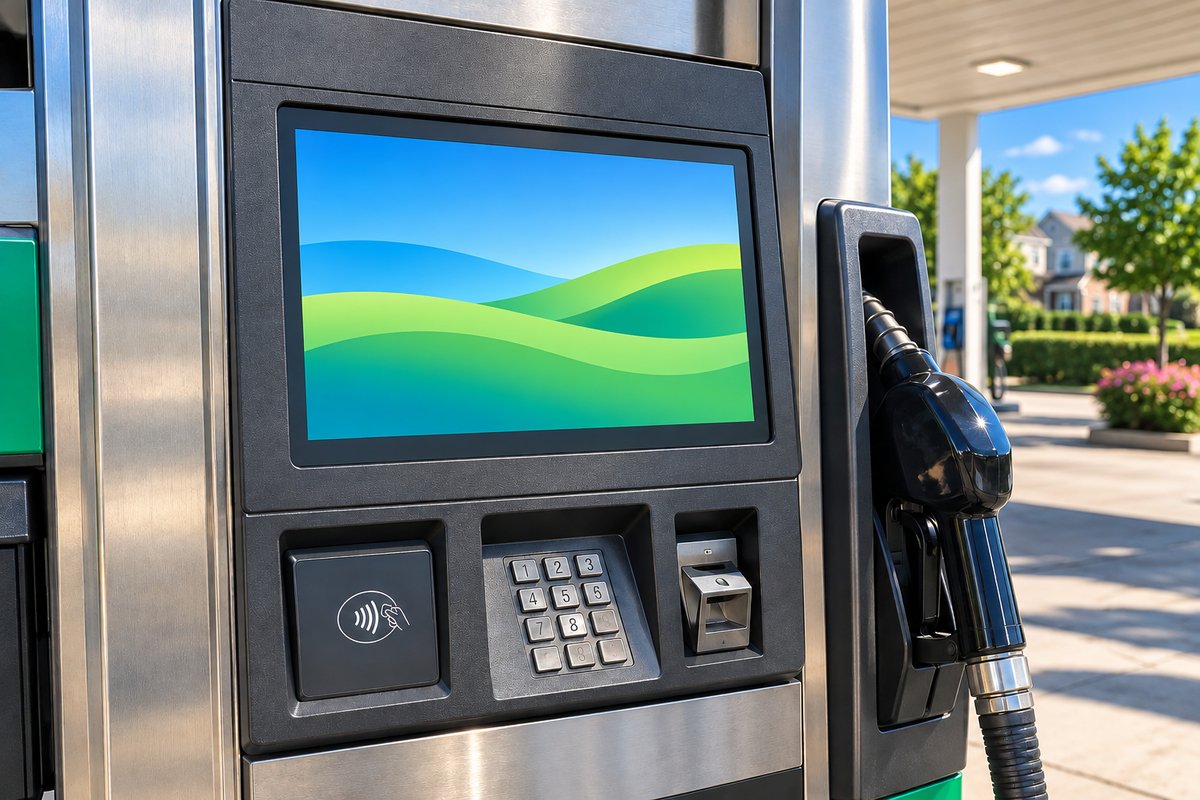
Discuss with your facilities team whether outdoor displays—especially those at drive-thrus, fuel stations, or ATMs—will need additional cleaning or prep prior to film application, particularly after winter storms. Periodic inspections of public-facing screens are recommended to maximize the film’s effectiveness and longevity.
If your screens are part of a larger network or controlled by remote systems, schedule updates or tests after film installation to confirm that image clarity and touch sensitivity meet your operational needs.