01 · Measure
Gather Screen Information
Record the width and height of your screen’s visible area, and note the screen’s surface type, whether it’s glass, acrylic, or a touchscreen.
Solve sun glare on gas pump screens, kiosks, ATMs, and more throughout San Francisco, CA with surface-applied anti-glare film by SSI.
San Francisco’s fast-changing weather and vivid sunlight can make screen glare a constant challenge for retailers, service operators, and property managers. When morning fog recedes and strong afternoon sun takes over, outdoor screens become difficult to read, and critical information or branding can be lost to reflections. From gas pump displays along Geary, to digital menu boards in vibrant neighborhoods, and EV chargers by the bay, finding a reliable solution to glare is key for smooth operations and customer experience.
AntiGlareFilms.com offers custom-cut anti-glare screen film, made by Screen Solutions International (SSI) and designed to combat these exact conditions. As the city transitions between foggy mornings and bright afternoons, our films diffuse reflections and add a clear protective barrier against fingerprints and scratches. The Standard Anti-Glare Film is ideal for reducing glare to a minimum on utility and public-facing screens, while Ultra Clear Anti-Glare Film keeps touch displays and premium signage sharp and readable—even in San Francisco’s unique coastal light. Every order is custom-cut for your screen’s visible area, and the SSI team is available to help you select the right film for every venue and display.
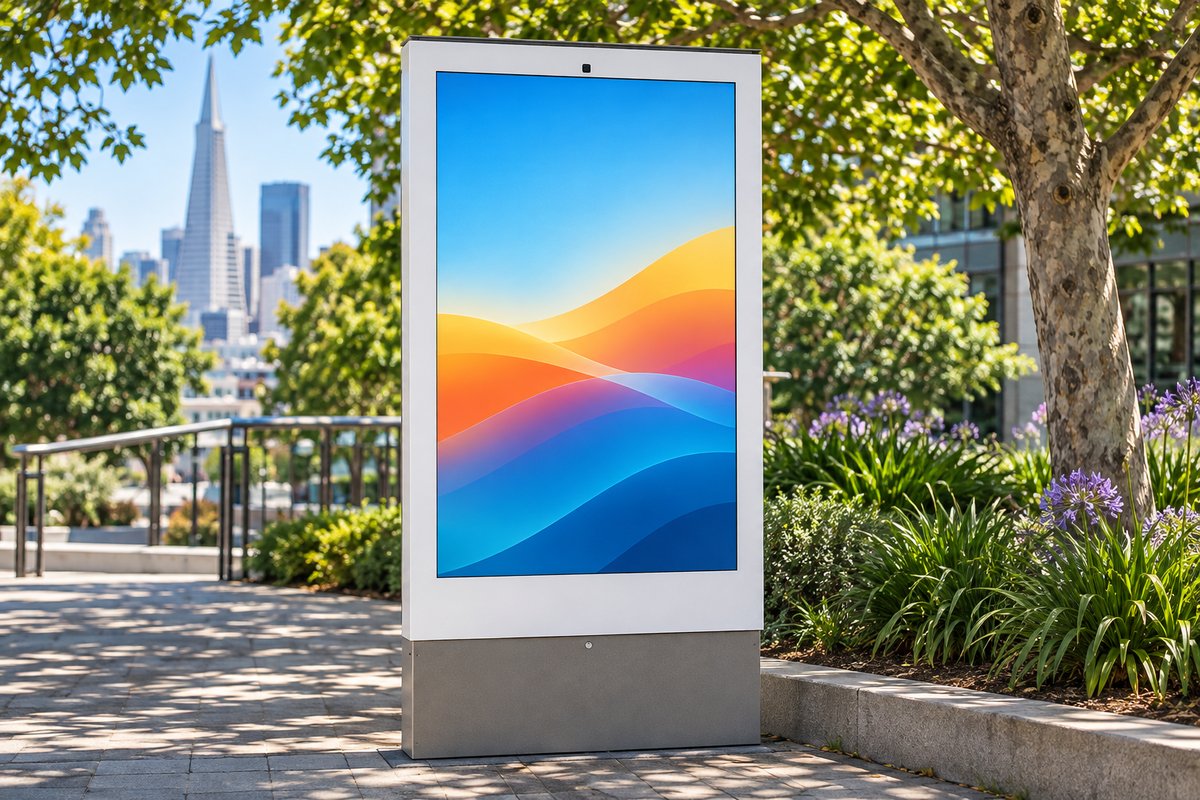
Record the width and height of your screen’s visible area, and note the screen’s surface type, whether it’s glass, acrylic, or a touchscreen.
Consider whether maximum glare reduction or image clarity is your priority. Review the Standard and Ultra Clear options, and consult with SSI by sending photos and screen details.
Contact the SSI team with your measurements, photos, quantity, surface type, film preference, and shipping location to receive a tailored quote for your San Francisco project.
Fuel stations, quick-stop markets, and retailers in busy districts rely on digital signage and interactive displays to serve customers efficiently, even in bright sun facing the bay or San Francisco’s iconic avenues.
Banks and credit unions use anti-glare film to keep public-facing ATM and lobby kiosk screens clear all day, providing fast, frustration-free transactions in changing light.
Quick-service restaurants and service providers apply matte anti-glare film to digital menu boards and self-service kiosks for year-round visibility, whether the fog lifts or the sun shines.
Best for maximizing glare reduction on public- and utility-facing screens in outdoor settings around San Francisco, including gas pumps, ATMs, kiosks, and drive-thru menu boards. Choose this film when visibility in strong light and rugged protection are your main priorities, and when minor image softening is acceptable for the application.
Select Ultra Clear for premium retail, touch displays, or applications where display image sharpness is just as important as glare control. Ideal for museum signage, high-end storefronts, or interactive kiosks that see direct sun and need to preserve display clarity in all conditions.
Access this resource to set up, modify, or transfer your electric service when deploying new customer-facing digital screens or making upgrades to powered displays.
San Francisco’s location on the west coast means businesses and public venues contend with both foggy days and intense, direct afternoon sunlight. While the marine layer may reduce brightness in the morning, by midday the light can shift rapidly, flooding outdoor screens with sun and making them nearly unreadable—especially on highly reflective surfaces. Outdoor displays at gas stations, EV charging spots, and retail window kiosks see the strongest glare at these times.
In summer months, festivals, outdoor dining, and expanded storefront service make digital wayfinding, menu boards, and communication screens indispensable for customer engagement. Even in the winter, when the days are shorter, the sun’s low angle can create optical challenges for east- and west-facing displays. SSI’s anti-glare films help operators maintain clear, accessible displays year-round, regardless of shifting light conditions.
Clear visibility isn’t just a convenience in bustling San Francisco neighborhoods; it’s essential for safety, branding, and providing seamless service for locals and visitors alike. The right film keeps payment workflows, schedules, menus, and promotions readable at a glance—even as the famous local fog gives way to intense sun or twilight reflections from surrounding architecture.
Choosing the right level of diffusion (Standard for robust glare reduction or Ultra Clear for sharp displays) ensures every screen stays effective through all seasons. When in doubt, supplement your request with photos of on-site display conditions so that the SSI team can provide personalized recommendations for your specific environment.
Whether you’re adding film to existing screens or planning for new outdoor kiosks, drive-thru menu boards, or EV chargers in San Francisco, coordination with your power provider is key. Changes to powered digital signage—such as adding displays, altering locations, or upgrading outdoor viewing—may require modifications to your electric service. The linked PG&E resource helps you start, stop, or transfer electrical feeds as your project evolves.
Always confirm exact installation locations and consult with your facilities manager or local authorities about any required permits for new screens, especially in districts with strict signage or streetscape guidelines. Regulations for public-facing digital displays may shift by neighborhood; check with the local city office for details for retail, banking, and QSR settings.
Keep in mind that anti-glare film does not make screens brighter; instead, it diffuses surface glare to make the existing display image clearer to viewers. When planning your project, assess how ambient light and proximity to windows or streetlights might impact screen visibility, and discuss these factors with SSI to determine the optimal film type.
To maximize lifespan and performance, ensure all surfaces are clean, dry, and smooth before film installation, and schedule work during periods of low humidity or fog for best application results in the Bay Area climate.
One of the most common oversights when ordering anti-glare film is inaccurate measurement of the visible screen area. Always exclude bezels or frame borders and measure the precise active display surface for a snug, effective film fit. This ensures optimal performance and a professional look.
It’s also important to identify your screen’s exact surface—glass, acrylic, or touchscreen overlay. This helps SSI determine which film and installation method will offer the best results without interfering with screen responsiveness or clarity. Some surfaces may handle one type of film or level of diffusion better than others.
Another frequent issue is underestimating the softness that can accompany the strongest anti-glare diffusion, especially on displays where image sharpness is crucial—such as retail touch screens or museum kiosks. When high clarity is needed alongside glare reduction, Ultra Clear Anti-Glare Film may be the smarter choice. Share display photographs and environmental details for tailored guidance from the SSI team.
Finally, plan ahead for installation—select dry weather, protect surrounding finishes, and review all installation guidelines provided with your order. Proactive planning ensures your anti-glare solution performs reliably in San Francisco’s variable conditions and supports a seamless customer experience on every screen.
Standard Anti-Glare Film offers the strongest sun glare and reflection reduction, making it best for rugged, public-facing utility screens like gas pumps, outdoor kiosks, and drive-thru menu boards in high-glare San Francisco locations. Ultra Clear Anti-Glare Film balances glare reduction with higher display clarity, keeping premium digital, retail, and touch display images sharper when faced with the city’s shifting light. For help choosing, send photos or details to the SSI team.
Start by measuring your screen’s visible area (width and height), identifying the surfacing material, and noting whether the screen is used indoors or outdoors. Decide if you need Standard or Ultra Clear film based on your priorities, and collect photos to show the screen in its actual lighting conditions. Then, contact SSI at AntiGlareFilms.com to request your quote. Provide measurements, quantity, surface type, film preference, location, and supporting photos for a tailored response.
Anti-glare film is recommended for any outdoor, sun-exposed, or brightly lit customer-facing digital display in San Francisco. Common sites include gas stations near highways, drive-thru fast food or coffee shops, exterior-facing retail windows, EV charging stations, and public service kiosks. Banking ATMs and utility screens—especially those positioned to catch midday sun—benefit significantly from reduced glare and added surface protection.
Yes, SSI’s anti-glare films are formulated to be surface-applied on glass, acrylic, and many touchscreen surfaces, depending on the display type. Let SSI know if the film will be applied to a touchscreen so they can advise on compatibility and recommend the best version. Film adds a layer of protection against scratches and fingerprints while keeping the touchscreen’s responsiveness intact.
Anti-glare film works by diffusing glare and reflections—it does not increase screen brightness or alter image color. Instead, it helps viewers see your existing display more clearly under harsh sunlight or bright conditions typical in San Francisco. Diffusion can slightly soften the display image, especially with Standard film; Ultra Clear keeps images sharper when this is a concern.
For the best guidance and quote, provide the visible width and height of each screen, the quantity, the surface material (glass, acrylic, touchscreen), whether it’s for indoor or outdoor use, your film preference (Standard or Ultra Clear), and clear photographs of your screens and location. Including project notes such as installation timing and shipping address helps SSI tailor your response to your unique San Francisco application.