01 · Measure
Measure Visible Screen Area
Note the width and height of each display’s visible screen area. Identify the screen type and surface material for the best film fit.
Control harsh sun glare on digital displays with locally tailored, protective anti-glare screen film solutions.
San Jose’s vibrant climate brings long hours of bright sun, making it challenging to keep digital screens readable outdoors. Whether you operate fuel stations, fast-food drive-thrus, EV chargers, or digital kiosks, sun glare and reflections can make critical screens difficult to read and use. AntiGlareFilms.com offers custom-cut, surface-applied anti-glare films, made by Screen Solutions International, designed to cut glare, reduce reflections, and protect vulnerable screens and displays across San Jose and the surrounding Sun Belt region.
Our anti-glare screen films help property managers, signage operators, retailers, and banks in San Jose keep their outdoor and sunlit displays clear and functional in all seasons. Choose between Standard Anti-Glare Film for maximum glare diffusion or Ultra Clear Anti-Glare Film for a balanced look with higher image clarity—both custom-sized to fit your specific application. Our U.S.-based team is ready to guide you through product selection, surface compatibility, and quoting, ensuring your screens stay readable and protected in California’s dynamic sunlight.
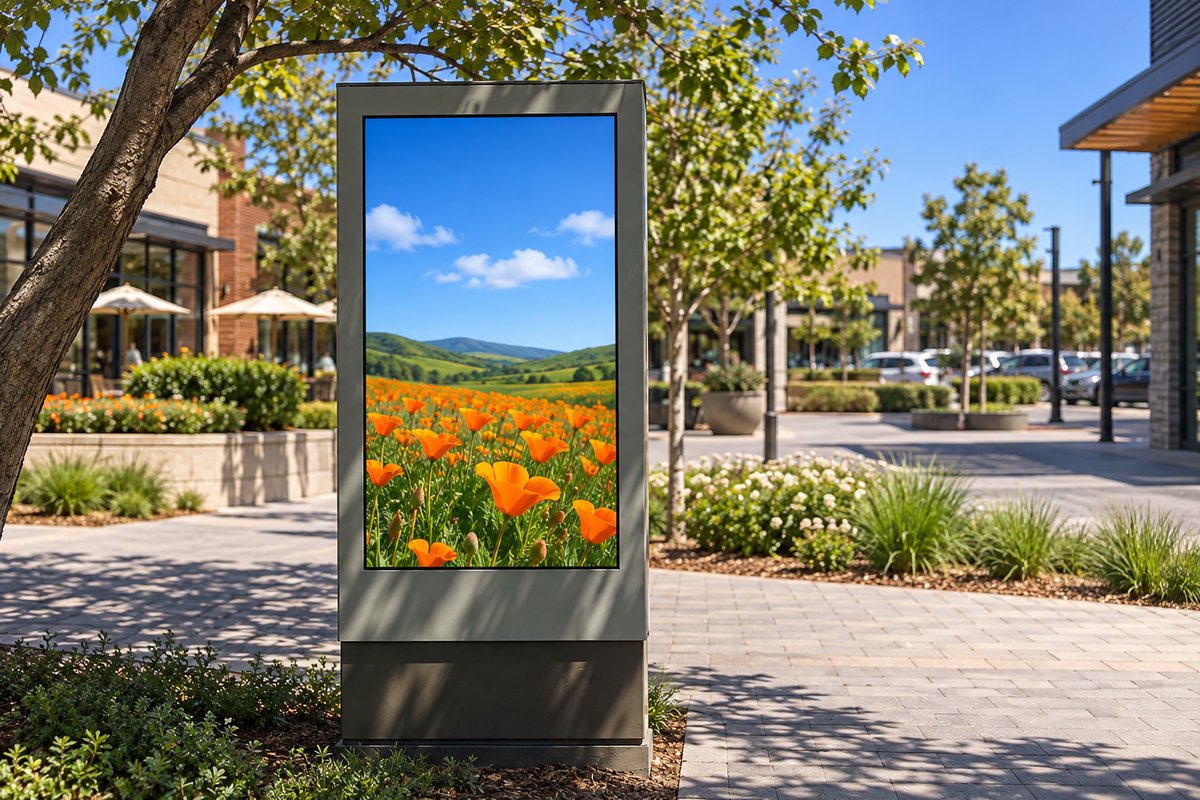
Note the width and height of each display’s visible screen area. Identify the screen type and surface material for the best film fit.
Review your priorities—strongest glare reduction or premium clarity. Not sure? Send us photos and details for expert guidance tailored to San Jose’s sunlight.
Share screen dimensions, surface type, use case, quantity, photos, and shipping details. The SSI sales team will help you finalize your selections.
Mitigate intense sun glare and boost screen readability at local fuel stations and EV charging kiosks—ideal for the region’s busy transit corridors.
Protect touchscreens at drive-thrus, ATMs, and outdoor quick-service displays from fingerprints, scratches, and peak California sun.
Keep digital advertising clear at storefronts, retail locations, and public venues where high sun angles and reflections challenge screen visibility.
Select for the best glare and reflection control on utility and publicly exposed screens such as gas pumps, menu boards, kiosks, and ATMs. In San Jose’s bright sun, this is the recommended choice for mission-critical displays and outdoor uses where visibility trumps image softness. Adds robust protection against marks, scratches, and daily use.
Choose for displays where image sharpness, vibrant colors, or touchscreen performance are essential—such as retail window displays, interactive kiosks, and museum screens facing San Jose’s sun. Balances good glare reduction with superior clarity. Send photos and details to SSI for tailored guidance if you’re unsure which to use.
Arrange power changes or new service for digital signage, kiosks, or EV charging stations through PG&E when updating or installing screens.
Review permitting requirements for any new outdoor screen, sign, or enclosure project in San Jose before installation or upgrades.
Check city rules for screen, sign, and lighting installations—important for compliance and to manage light pollution and glare issues.
San Jose experiences over 250 sunny days annually, with mild winters and warm, bright summers. For businesses and public venues, the high sun exposure—especially during midday and late afternoon—causes strong screen reflections and makes digital menu boards, gas pump payment terminals, and outdoor kiosks hard to see. This is especially true at sites facing south or west, where glare is most intense.
Operators of convenience stores, quick-service outlets, and banks in San Jose often report visibility issues on drive-thru displays and payment screens. Readability problems can lead to user frustration, slowed transactions, and increased maintenance when users try to wipe away fingerprints or smudges that look like glare.
Anti-glare film offers a practical solution by diffusing harsh sunlight, making digital signage more functional throughout the year. Choosing the right film and working with current lighting and screen types means venues can optimize both customer experience and screen longevity across the city’s diverse neighborhoods.
For areas with frequent sun, adding a high-quality anti-glare film is a straightforward way to boost daily usability—no need to alter screen hardware or build expensive new shading, and custom cutting ensures a tailored fit.
Power is essential when adding, relocating, or upgrading digital screens and displays. Before installing new outdoor signage, kiosks, or charging stations, coordinate any required power connections with San Jose’s local utility provider to ensure smooth service. Always allow for adequate power supply and consult with your electrician or facilities team early in the planning process.
Permits may be required by the City of San Jose for new or modified digital screens, especially when altering exterior signage or constructing enclosures. Check with the city’s building and development team for up-to-date requirements based on project scope, screen size, and placement. Securing permits in advance avoids costly delays or compliance issues.
Lighting regulations influence where and how you can place illuminated signs and screens in commercial areas. San Jose’s sign and lighting ordinances help reduce glare and protect public safety. Be sure to review local codes and consider the impact of nearby lighting on both your new screens and neighboring properties.
These planning steps ensure a smooth project rollout, from reliable power to legal compliance, minimizing risk and streamlining your timeline when deploying anti-glare protected screens.
A common mistake is measuring the total screen or enclosure instead of just the visible area, resulting in oversized or undersized film. Always measure only the portion of the display that is actually visible to users for the best fit and appearance.
Misidentifying the screen surface, such as mistaking acrylic for glass or not knowing if a touchscreen has specialized coatings, can lead to film adhesion problems. Take time to verify the surface material and confirm compatibility when seeking advice from the SSI team.
Not considering local conditions, such as San Jose’s late-day sun angles or possible vandal exposure, can result in choosing the wrong grade of film. Where screens are highly exposed to sun or heavy use, Standard Anti-Glare Film generally offers the optimal blend of protection and glare control.
For the most accurate recommendations, always provide SSI with detailed photos, measurements, and notes about how the screen is used and in what kind of environment—it speeds up quoting and ensures you get the right film the first time.
Consider your primary need: strongest glare diffusion or high display clarity. For most outdoor utility applications in bright San Jose sun—such as gas pumps, ATMs, and drive-thrus—Standard Anti-Glare Film is recommended. For retail, museum, or premium touchscreens where image sharpness matters most, Ultra Clear is the better fit. If unsure, send photos and display details to the SSI team for tailored advice.
To receive a detailed quote, provide the width and height of your screen’s visible area, the number of screens you plan to cover, the type of surface (glass, acrylic, touchscreen), whether it’s for indoor or outdoor use, your film preference, and your shipping destination. Including photos of your displays and their sun conditions helps ensure the right recommendation.
Yes, anti-glare film from SSI is compatible with many glass, acrylic, and touchscreen surfaces commonly found in San Jose. Compatibility depends on the specific display and surface, so confirm your screen type before ordering. The film adds a protective layer that helps shield screens from scratches and smudges, an advantage in high-traffic locations.
Anti-glare film does not increase screen brightness; instead, it works by diffusing strong sunlight and reflections that make screens hard to read. The result is improved screen visibility during peak sun hours but the underlying display brightness remains unchanged. Optimal readability comes from balancing ambient light control with appropriate film selection.
Screens protected with SSI’s anti-glare film can be cleaned with a soft, lint-free cloth and mild screen cleaners. Avoid abrasive materials or harsh chemicals to preserve the film’s surface integrity. Regular cleaning helps maintain both the clarity and the protective functions of the film, especially important in dusty or high-touch environments.
The U.S.-based sales and project guidance team at Screen Solutions International (SSI) supports all AntiGlareFilms.com customers, including those in San Jose. Contact them directly during business hours, Monday through Friday, 8:00 AM to 4:00 PM Pacific, by phone or email. Send screen details and photos for personalized recommendations and quoting.