01 · Measure
Gather Screen Details
Carefully measure the width and height of the visible area of each screen, noting the surface material (glass, acrylic, plastic) and its location—outdoor, indoor, or semi-outdoor.
Reduce sun glare and protect outdoor screens across Virginia Beach with made-to-measure anti-glare film from Screen Solutions International.
In Virginia Beach, screens at gas pumps, drive-thru menu boards, outdoor kiosks, EV chargers, ATMs, and storefront displays face intense glare and distracting reflections, especially during long, bright summer days. Anti-glare screen film provides reliable protection and improved screen visibility for all these settings, adding a durable, easy-to-clean surface that resists scratches and fingerprints.
All anti-glare films sold on AntiGlareFilms.com are engineered and manufactured by Screen Solutions International (SSI), who cut every order to your supplied dimensions. Choose between two proven films—Standard Anti-Glare Film for maximum glare diffusion and Ultra Clear Anti-Glare Film when sharper image quality is required—to get lasting relief from the region’s strong coastal sun in any outdoor digital display. Request a custom quote with your screen measurements, surface details, photos, and a description of your location’s lighting for fast, expert guidance.
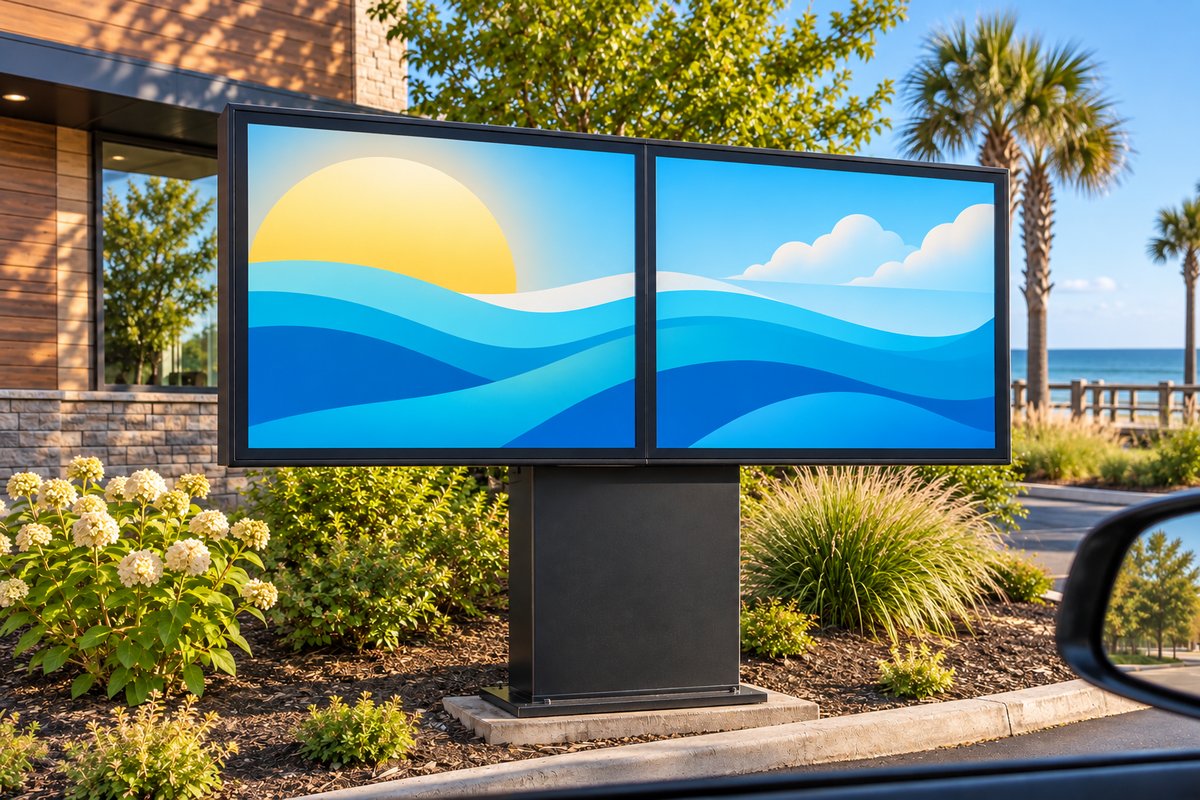
Carefully measure the width and height of the visible area of each screen, noting the surface material (glass, acrylic, plastic) and its location—outdoor, indoor, or semi-outdoor.
Decide between Standard Anti-Glare Film for the strongest glare reduction, or Ultra Clear Anti-Glare Film to maintain higher display clarity—great for touch and premium screens.
Send your screen measurements, surface type, quantity, film preference, photos, and shipping address to the SSI team for a custom quote and product guidance.
Improve screen readability and protect surfaces at fuel stations, drive-thru venues, and QSR menu boards exposed to intense sun and reflections every season in Virginia Beach.
Ensure customer-facing kiosks, ticket machines, and payment screens stay visible and smarter-looking despite shifting daylight or salty sea air prevalent along the coast.
Use anti-glare film for window displays and digital signage in weather-exposed or sunny public-facing areas where screen clarity and protection matter every day.
Choose Standard Anti-Glare Film if your priority is reducing the strongest sun glare and reflections on outdoor screens, such as gas pumps, menu boards, kiosks, and utility displays. This film adds a durable, protective matte layer that stands up to frequent use and cleaning, making it ideal for Virginia Beach’s coastal light and heavy traffic.
Select Ultra Clear Anti-Glare Film when premium image sharpness is equally important with glare control—for example, on storefront windows, retail digital signage, or touchscreen displays where both clarity and sunlight visibility are critical. Maintains vibrant screen appearance even in changing weather or shifting daylight.
Connect with Dominion Energy for power supply and new service planning for your outdoor screens or kiosks.
Review permit requirements for screen, kiosk, or signage installs and check with the city to ensure compliance when planning projects.
Consult sign and display illumination rules to meet local standards for electronic screen glare and safety.
Check local weather forecasts to schedule outdoor film installation and anticipate sun exposure patterns throughout the year.
Virginia Beach sees bright, shifting sunlight from spring through fall, with strong midday glare, salty air, humidity, and frequent coastal storms. Outdoor screens at fuel stations, EV chargers, retail drive-thrus, and public kiosks are exposed to direct sun and occasional windblown grit, making glare and surface scratches common challenges.
Anti-glare screen film diffuses harsh reflections and prevents distracting sun hotspots, helping customers or employees clearly see transaction prompts or digital menus. In the winter months, low sun angles can create just as much glare, especially on north-south facing screens.
Use anti-glare film to keep displays practical and readable during busy beach seasons, city events, and year-round commerce in busy retail corridors, business parks, and high-traffic intersections.
Before installing new screens or upgrading existing displays in Virginia Beach, consult Dominion Energy for any electrical connection needs, especially for outdoor kiosks or digital signage. New service requests or upgraded circuits may have specific lead times and require scheduled service.
The City of Virginia Beach typically requires permits for permanent display or signage modifications. Check with the local office on whether adding an anti-glare film layer constitutes an update to an existing permit or requires a new review. For most film-only upgrades, installation is considered a surface treatment, but confirm requirements for any associated hardware changes.
The city’s sign code includes rules for illuminated and electronic displays to minimize excessive glare and ensure traffic safety. If adding screen film to a digital sign in a regulated corridor or near public streets, review requirements for brightness and glare abatement.
Document installation dates, products used, and location for future reference in case of inspection or upgrades.
Accurate sizing is essential: Always measure each screen’s visible area as precisely as possible, using a metal tape. Never assume two screens or multiple sites use identical display sizes, even from the same equipment vendor.
Identify the correct surface: Ensure your film will be applied to a flat, smooth substrate such as glass, acrylic, or a compatible touchscreen. Textured, uneven, or curved surfaces can make application difficult and reduce film performance.
Include photos and usage details with your quote request. This helps the SSI team quickly match your screens with the ideal film type, preventing mismatches between Standard and Ultra Clear where clarity or touch sensitivity matters.
Always plan film selection and installation around typical local sun conditions—Virginia Beach’s humid summers and salty sea air can increase the need for regular cleaning, which the protective film layer makes easier.
Anti-glare film diffuses sunlight and harsh reflections on exposed screens, making transaction prompts and digital content easier to read under strong coastal sun. It also adds a protective layer against scratches, smudges, and fingerprints—essential in high-traffic, high-humidity regions like Virginia Beach. The result is clearer visibility, reduced maintenance, and a professional appearance.
Select Standard Anti-Glare Film if you need maximum glare reduction for utility and public-facing screens—like gas pumps, menu boards, and kiosks. Choose Ultra Clear Anti-Glare Film for touch displays or premium digital signage where image sharpness matters. If you’re unsure, send photos and details of your screens to the SSI team for personalized advice.
Anti-glare film works best on flat, clean, smooth surfaces such as glass, acrylic, and many touchscreens used in public displays. Each order is custom-cut to your supplied measurements, ensuring a precise fit. If you have a specialty substrate or a textured finish, include that information in your quote request for expert compatibility guidance.
Gather your visible screen size (width and height), quantity, surface material, installation location, film preference, photos of the screens and their mounting, and your shipping location. Send this information to SSI by phone or email. Their team provides project guidance and will match you with the best film based on your needs and photos.
Yes, both Standard and Ultra Clear Anti-Glare Film can be applied to many touchscreen and interactive kiosk surfaces, depending on the display type. Ultra Clear Film is often preferred for touch displays to maintain display clarity, but SSI can advise based on your photos and details. Confirm screen compatibility with SSI as part of your quote request.
Anti-glare film adds a surface layer that resists scratches and helps protect against smudges and fingerprints, making routine cleaning easier. Wash with non-abrasive cleaners and a microfiber cloth. In beach areas, more frequent cleanings may be required due to humidity and salt. Avoid harsh chemicals or rough cloths for longest-lasting clarity.