A Practical Guide to Tackling Glare on Outdoor Screens in Mesa, AZ
Discover why outdoor displays in Mesa, AZ are tough to read in local sunlight and practical steps fuel stations, kiosk owners, and property managers can take using custom anti-glare film. Learn how to identify, measure, and request the right solution for your screens.
Why Sunlight Challenges Outdoor Screens in Mesa, AZ
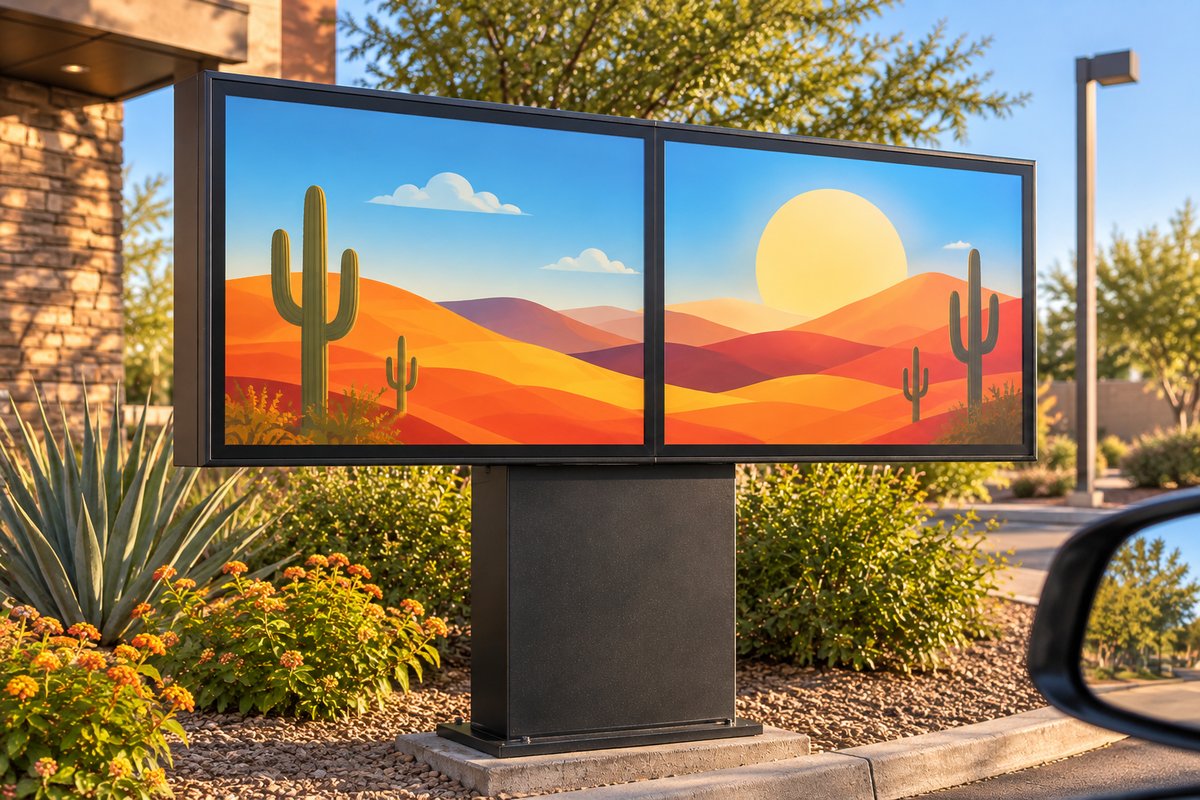
Mesa, Arizona’s intense sunlight and clear skies make outdoor screens, kiosks, and gas pump displays notoriously hard to read. The strong desert sun, often shining directly onto screens, leads to overwhelming reflections and glare. This is more than an annoyance; it creates real usability and accessibility difficulties for customers at gas stations, ATMs, drive-thrus, and information kiosks, especially during peak daylight hours.
Standard display screens—whether on a gas pump, drive-thru menu board, EV charger, or digital sign—aren’t designed to fight off Arizona’s direct sun. Even displays labeled as “outdoor” can become mirror-like in bright conditions, multiplying glare from sunlight, car windshields, or nearby lighting. Harsh visibility problems can impact customer satisfaction and slow down transaction times.
Alongside sunlight, local lighting at fuel stations and public venues can also cause reflections at night, reducing visibility further. Combined with weather factors such as dust, heat, and monsoon storms (see the Mesa AZ weather forecast), owners and operators face ongoing challenges to deliver clear, reliable information on their outdoor digital surfaces.
How Glare and Reflections Impact Screen Usability
Sun glare and reflections on a display aren’t just cosmetic—they actively block users from reading or interacting with your screen. For touchscreens, severe glare makes it hard to see where to tap. At drive-thru restaurants or gas pumps, glare can delay customers and increase frustration, especially if multiple screens are in use at once.
Glare is particularly severe when the sun is low on the horizon, as is common in the morning and early evening according to the local weather patterns. Glass or acrylic protective covers can actually magnify reflectivity if not properly treated. For property owners or operators of multiple locations, these visibility problems may lead to more attendant assistance and potential maintenance calls.
Digital signage and kiosks placed near highly reflective surfaces or under canopy lighting (like those found at many Mesa fuel stations) also suffer from reduced impact. When essential transaction information, advertising, or safety notices can’t be seen, both customer service and business operations can be affected.
How Anti-Glare Film Solves Sun Glare and Reflections
One proven, practical solution is the use of surface-applied matte anti-glare film. Made by Screen Solutions International and offered via AntiGlareFilms.com, this custom-cut film is designed to diffuse intense sunlight and reflections, making screens clearer and easier to read in Mesa’s bright outdoor conditions.
Anti-glare film works by scattering incoming light across a matte surface, drastically reducing both direct and indirect reflections. Standard Anti-Glare Film offers the strongest glare reduction and is ideal for utility or public-facing screens such as gas pump displays, outdoor kiosks, ATMs, digital signage, and outdoor menu boards. When screen clarity is a high priority—for example, at retail counters, museum displays, or premium touchscreens—Ultra Clear Anti-Glare Film balances glare control with enhanced sharpness.
Besides glare reduction, both film types add an extra layer of protection against scratches, smudges, and fingerprints, ensuring screens stay readable and professional-looking. While the diffusion effect may slightly soften images (especially with Standard Anti-Glare Film), Ultra Clear maintains higher image sharpness—making it an excellent fit for applications demanding crisp display, such as interactive kiosks and modern directional signage.
Measuring Your Outdoor Screen for a Perfect Fit
For anti-glare screen film to work effectively, it must cover the visible area of your screen or glass with precision. Standard sizes rarely fit the wide variety of screen shapes and manufacturer bezels found on outdoor kiosks, gas pumps, or drive-thru menus. It’s crucial to measure and specify the exact dimensions so that your film arrives custom-cut for each unique display.
Start by measuring the width and height of only the actual screen or illuminated visible area, not the entire glass face or the plastic housing. Use a standard tape measure or caliper, if available, for accuracy. Repeat this process for each unique display type or size—note that drive-thru menu boards, for example, often differ in their visible screen measurements from digital signage or ATM displays.
Take clear, well-lit photos of each display in its normal operating environment, ideally showing any particularly challenging glare conditions. These images, along with precise width and height measurements, will be invaluable when requesting your quote and ensuring the correct custom fit.
Which Anti-Glare Film Should You Choose?
Choosing between Standard Anti-Glare Film and Ultra Clear Anti-Glare Film comes down to your main visibility concerns and how the display is used. Standard Anti-Glare Film is recommended for high-traffic areas where the need to reduce sun glare and reflections is greatest—such as at Mesa fuel stations, convenience stores, and outdoor banking kiosks.
If display clarity and touch responsiveness are top priorities—for example, with advanced touchscreens, high-definition directories, or digital art installations—Ultra Clear Anti-Glare Film is designed to maintain crisp visuals while still diffusing unwanted glare. Both types are cut to your specified sizes and offer a durable layer that helps protect against environmental wear.
It’s helpful to share site photos and details about typical lighting and usage with the Screen Solutions International team. Their experts can guide you on the most appropriate film based on actual Mesa lighting and operating scenarios, ensuring the chosen product meets both your visibility and durability needs.
Essential Details to Include in Your Quote Request
To speed up your project and get a precise quote, it’s important to gather all relevant screen details before reaching out. Start by making a list of each display or glass area needing anti-glare protection. For each, you should provide:
- Exact width and height of the visible screen area (in inches or millimeters).
- The quantity of each screen size needed.
- Surface type: is it glass, acrylic, plastic, or a touchscreen?
- Will the film be used outdoors or indoors?
- Whether the screen is a touchscreen (to help recommend the right film).
- Your preference for Standard or Ultra Clear film, if known.
- Clear photos of each display showing current glare conditions.
- The shipping location for your order.
Having this information at hand streamlines the quoting process with AntiGlareFilms.com and allows their U.S.-based experts to recommend the ideal product and cut size for your Mesa project. For power and service coordination at your site, such as checking electrical needs or planning downtime during film application, consult the City of Mesa Utilities to minimize operational disruption.
Tips for Applying Anti-Glare Film on Outdoor Screens
Proper installation is vital to maintaining screen visibility and durability. Ensure that the screen surface is completely clean, dry, and free of dust before application. While installation is typically straightforward for smaller screens, larger or more irregular surfaces may require extra care to avoid trapped air or misalignment.
For most Mesa property managers and franchise operators, in-house maintenance staff can apply anti-glare film by following standard cleaning and alignment procedures. Pay particular attention to touchscreen and curved surfaces; note that not all surfaces are suitable, so clarify these details and send photos during your quote request.
Since installation must occur under dry conditions and ideally out of direct sunlight, plan accordingly based on season and forecast. The National Weather Service forecast for Mesa, AZ offers helpful guidance on upcoming conditions to schedule your outdoor work. Always test visibility in your own site’s lighting after application, as glare and readability can vary by location and time of day.
Local Regulations and Service Coordination in Mesa, AZ
For installations at fuel stations, financial institutions, or public sites, it’s smart to check with city offices about any updates to local codes or signage ordinances. While anti-glare film is a surface treatment and typically doesn’t require permits, project specifics—such as working on utility enclosures or near power lines—may be subject to regulation. Check with the City of Mesa Utilities for guidance, especially if there’s a need to coordinate temporary electrical shutdowns for safe installation.
Depending on your location’s night lighting or street-facing screens, you may need to account for both day and night visibility. Discuss with your facilities team or property management company to plan for cleaning, application, and any signage updates post-installation.
Outdoor conditions—think heat, monsoons, and dust—are part of daily operations for Mesa. Communicate with your anti-glare film provider about how your site’s specific environment might impact screen longevity and cleaning protocols. Their recommendations will help you extend the benefit of your new screen protection over time.
FAQ: Common Questions About Anti-Glare Film for Outdoor Screens
Does anti-glare film make outdoor screens brighter?
No, anti-glare film does not increase a screen’s brightness. Instead, it diffuses sunlight and other reflections to make the content more visible under bright conditions. Reducing glare helps users see your screen’s existing brightness more clearly.
Can anti-glare film be used on touchscreens and acrylic panels?
Yes, anti-glare film from Screen Solutions International can be applied to many touchscreens, as well as glass and acrylic surfaces, depending on the display type. Be sure to specify your surface and share photos during your quote request for accurate recommendations.
What information do I need to request a quote?
Provide the width and height of the visible screen area, the quantity needed, surface type, use environment (indoor or outdoor), touchscreen status, film preference (if any), site photos, and shipping location. This ensures you receive the correct product and fit for your application.
Explore Custom Anti-Glare Solutions for Your Mesa Screens
No matter what outdoor display challenge you face—from gas pump glare to drive-thru screens—Mesa’s environment demands a practical, site-specific solution. AntiGlareFilms.com offers U.S.-based sales and project guidance, with Screen Solutions International manufacturing two distinct films tailored for every need. Prepare your measurements and photos, review local weather and utilities as needed, and Request an anti-glare film quote to get started.