Anti-Glare Film
for Acrylic Panels
Reduce reflections and improve visibility on acrylic display covers, kiosk panles, museum exhibits, protective screens, signage, touchscreens, and custom clear panels.
Anti-glare film helps acrylic surfaces stay clear and easy to see through while adding a protective layer to the surface you rely on every day.
☼
ReducesReflections
◉
ImprovesReadability
♢
ProtectsSurfaces
▱
Works OnGlass & Acrylic
⌖
TouchscreenCompatible
▭
Custom SizesAvailable
Best Acrylic Panel Applications
Acrylic Display Covers
Kiosk Face Panels
Museum Exhibit Panels
Retail Display Cases
Protective Screen Covers
Menu Board Covers
Digital Signage Covers
Custom Clear Panels
Why Acrylic Creates Glare
- Reflects overhead lighting
- Sunlight reflection
- Glossy surface reflections
- Display and floor reflections
- Customer and viewer reflections
- Changing viewing angles
- LED and spot lighting
- Bright retail environments
- Outdoor reflections
Anti-Glare Film Helps
- Reduces distracting reflections
- Improves screen and content visibility
- Enhances touch screen readability
- Protects against scratches and smudges
- Keeps acrylic looking cleaner longer
- Improves customer experience
- Supports indoor and outdoor use
- Available in Standard and Ultra Clear
Acrylic vs. Glass
| Feature | Acrylic Panels | Glass Panels |
|---|---|---|
| Weight | Lighter | Heavier |
| Scratch Resistance | Scratches more easily | More scratch-resistant |
| Fabrication | Easy to cut & form | More rigid |
| Reflection Issues | Common under bright light | Common under bright light |
| Cleaning Needs | Gentle cleaners recommended | More cleaning options available |
| Best Uses | Kiosks, covers, signage, custom panels | Displays, storefronts, cases, touchscreens |
Installation Considerations for Acrylic
- Clean gently with a non-abrasive cleaner
- Use microfiber cloths only
- Avoid harsh chemicals and ammonia
- Ensure surface is smooth and flat
- Check for scratches, chips, or cracks
- Avoid static — clean in a low-dust area
- Confirm indoor or outdoor environment
- Confirm touchscreen status if applicable
- Professional installation recommended for large or premium applications
Surface Types We Support
□
Acrylic Panels
▭
Display Covers
♢
Protective Overlays
▯
Kiosk Face Panels
▤
Touchscreen Overlays
▱
Signage Panels
⌂
Menu Board Covers
□
Custom Clear Panels
Before ordering, confirm the surface is acrylic, glass, touchscreen, or another display-facing material.
Anti-Glare Film vs. Replacing Acrylic
| Problem | Replacing Acrylic | Adding Anti-Glare Film |
|---|---|---|
| Surface reflections | May help, but still can reflect | Helps reduce glare on existing surface |
| Existing acrylic works | Requires refabrication | Easier retrofit option |
| Custom panel shape | Expensive to remake | Film can be custom-sized |
| Installed cover | Removal may be disruptive | More practical upgrade |
| Touchscreen glare | Replacement may not solve it | Helps reduce reflections |
| Smudges & fingerprints | Still possible | Adds protective layer |
| Temporary needs | May not make sense | Better short-term solution |
If the acrylic is damaged, replace it.
If the acrylic is reflecting light, add anti-glare film.
If the acrylic is reflecting light, add anti-glare film.
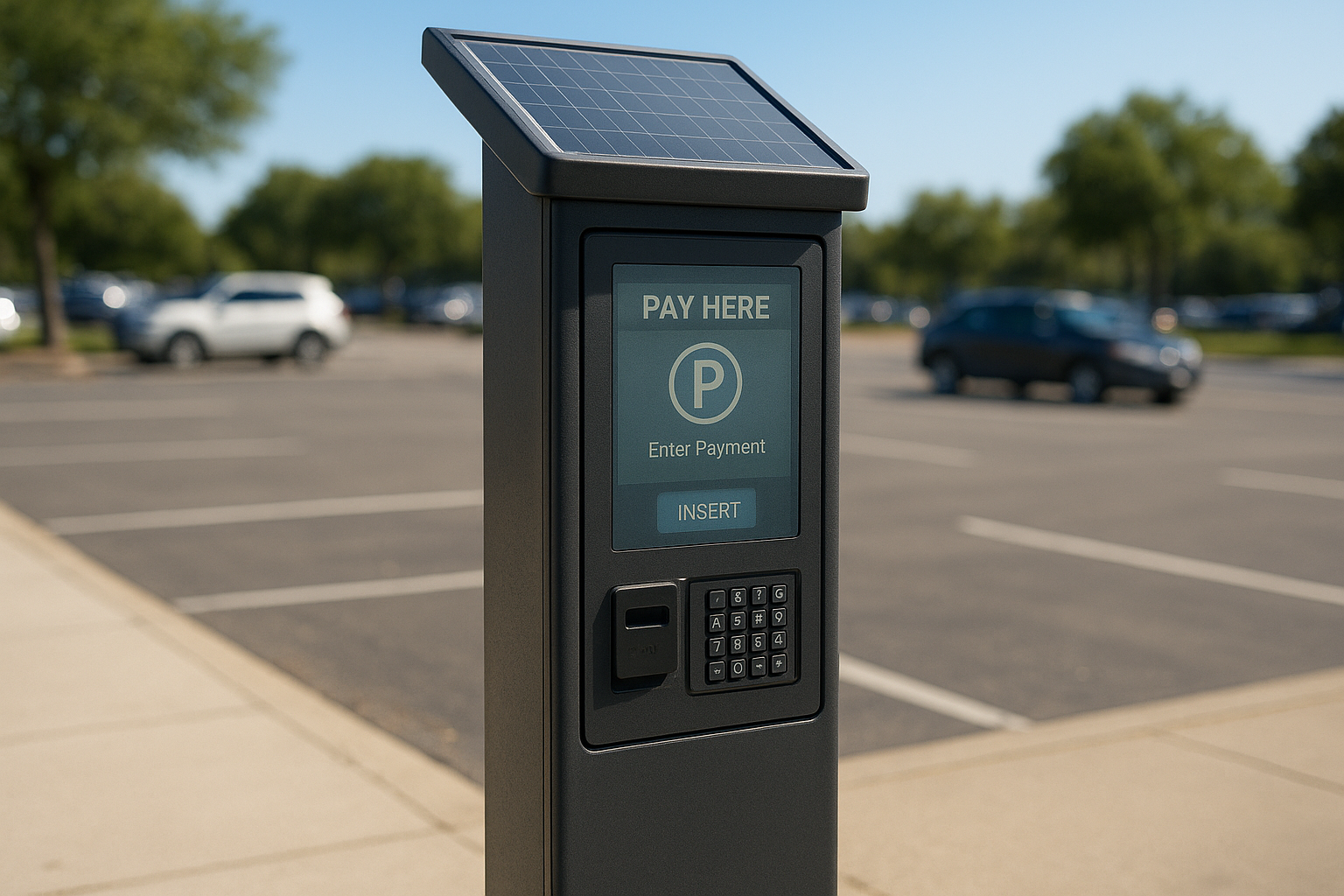
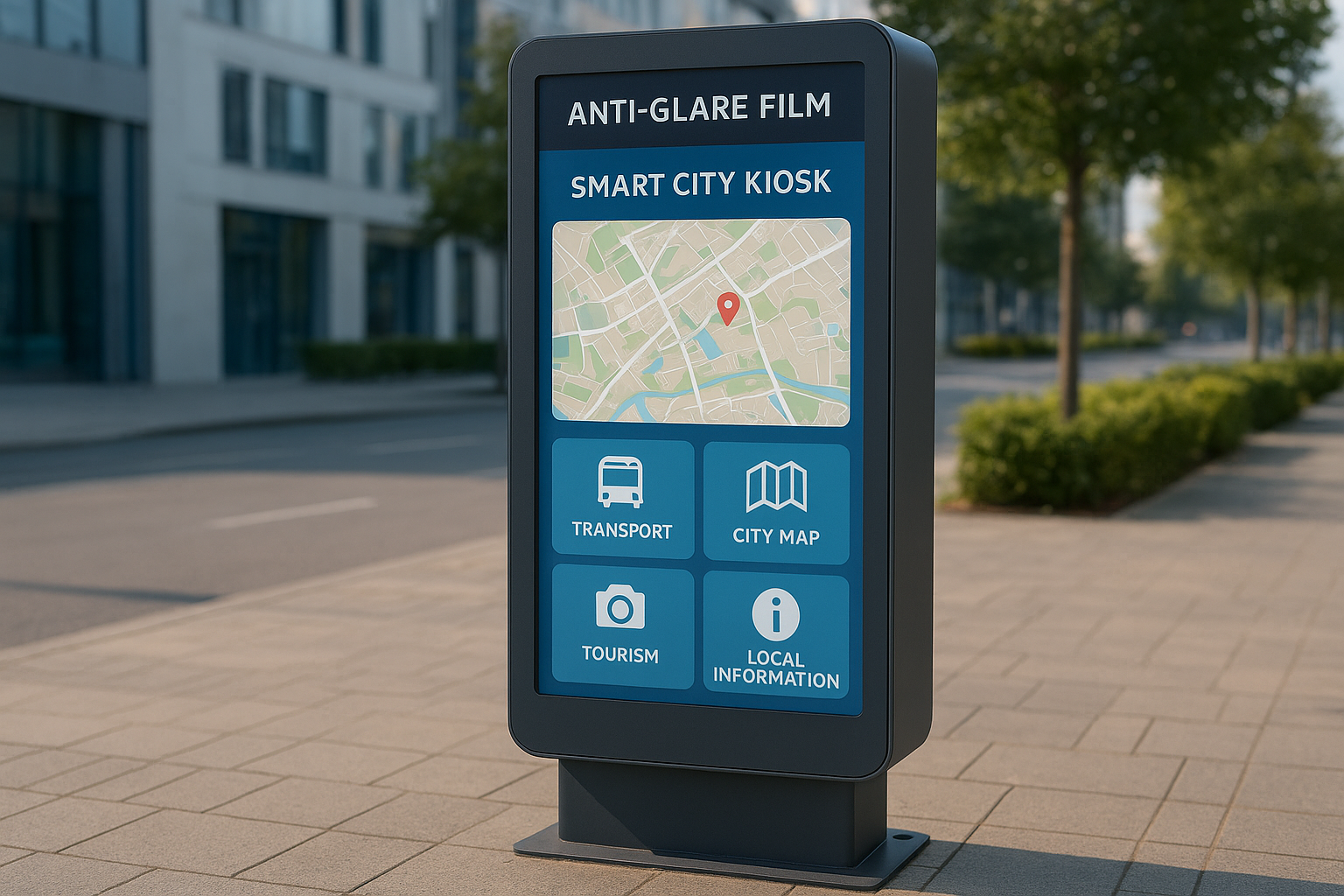
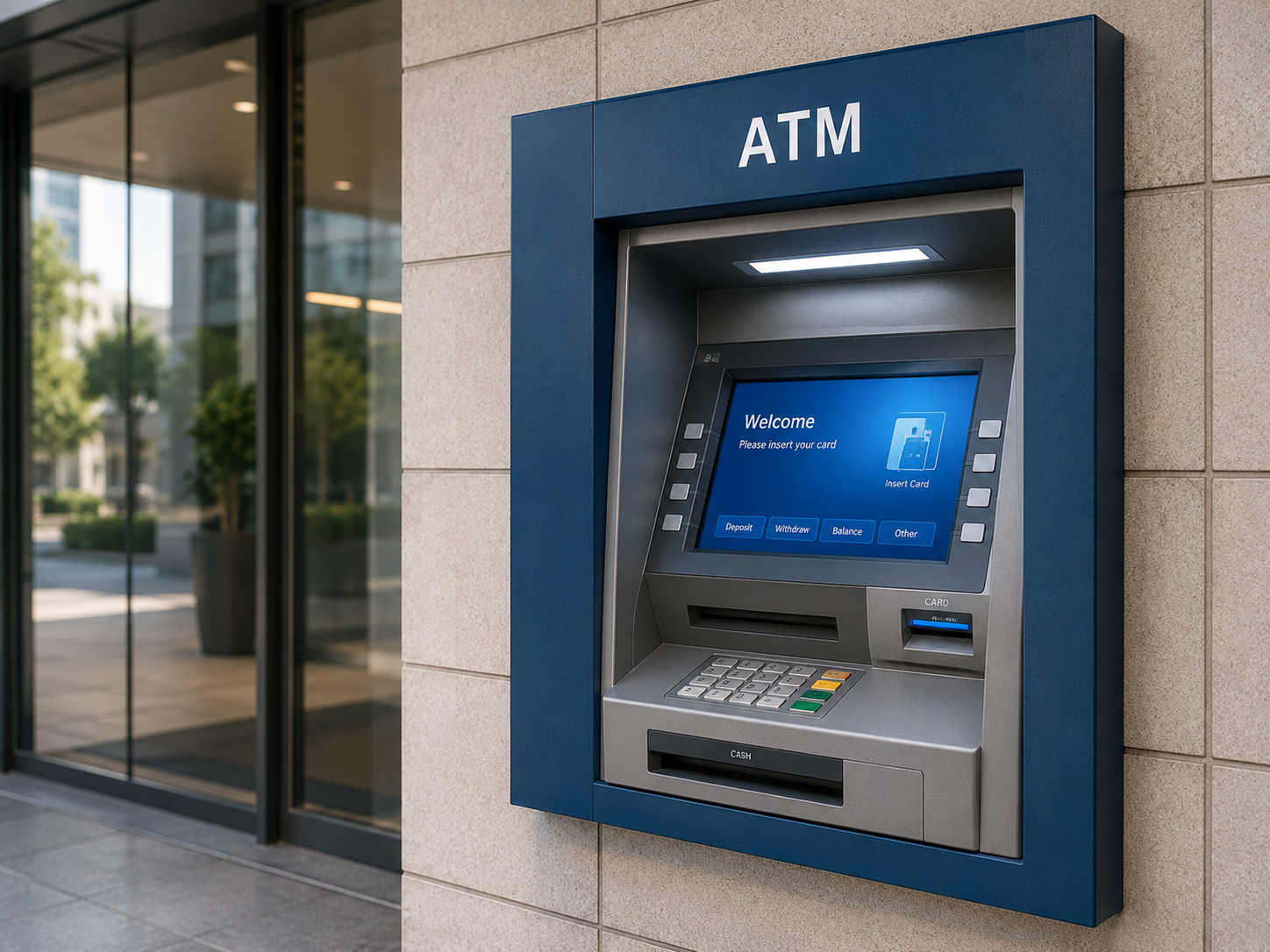
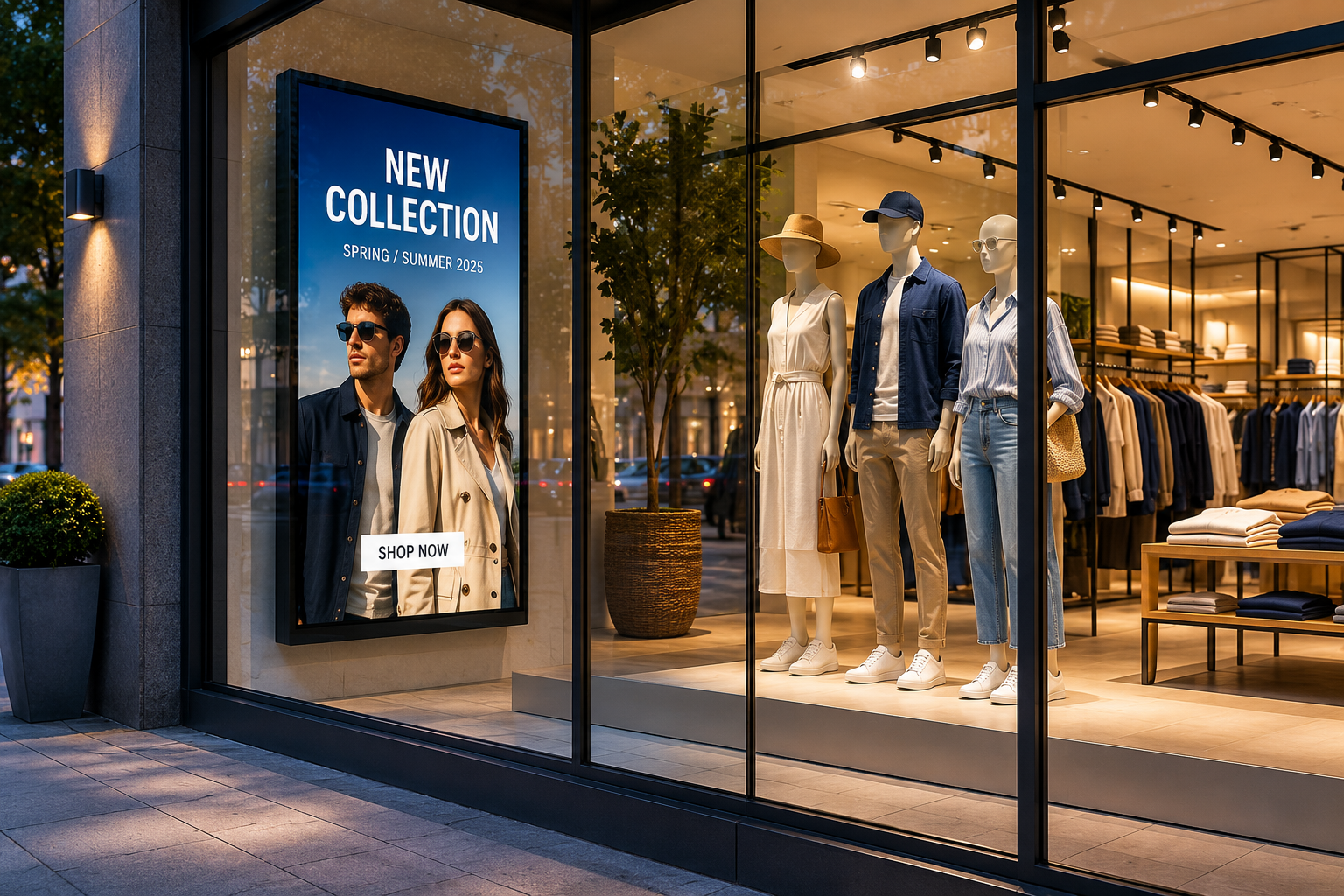
Where Anti-Glare Film Is Used

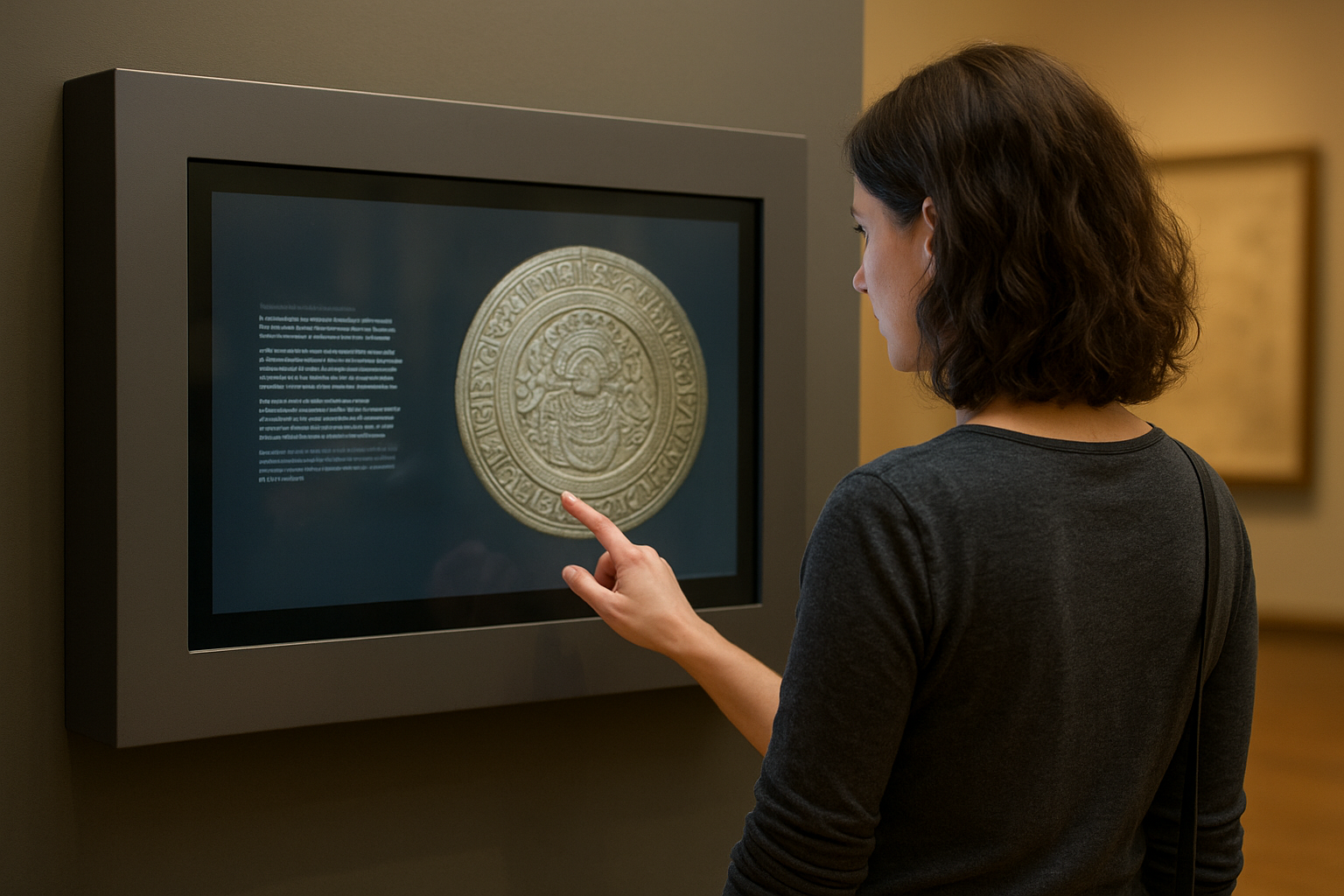

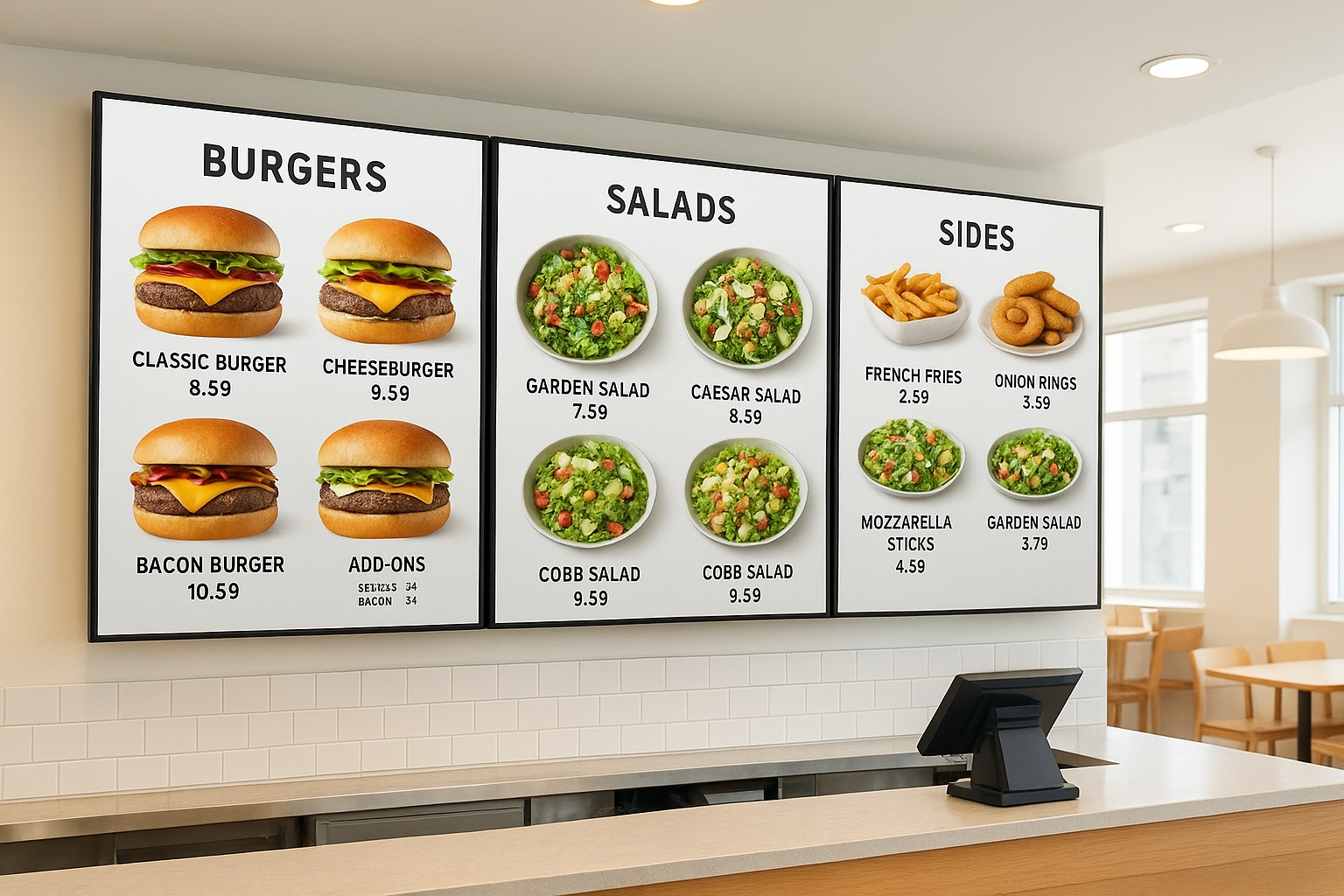
Standard or Ultra Clear for Acrylic Panels?
Use Standard Anti-Glare Film When...
- Glare reduction is the main priority
- The panel covers a utility display
- The surface is used for basic signage
- Cost-effective solution is preferred
- The acrylic is in a harsh glare location
Use Ultra Clear Anti-Glare Film When...
- Clarity and premium appearance matter
- The panel covers a premium display
- The surface protects products or exhibits
- Customer experience is the priority
- The acrylic is in a retail, museum, or high-end environment
Quick Recommendation
Use Standard Anti-Glare Film for practical glare reduction.
Use Ultra Clear Anti-Glare Film for premium clarity and customer-facing installations.
What We Need for a Quote
- Width and height
- Quantity needed
- Acrylic surface type
- Acrylic thickness if known
- Indoor or outdoor use
- Touchscreen or non-touchscreen
- Standard or Ultra Clear preference
- Photos of the acrylic panel
- Photos showing the glare issue
- Application type
- Shipping location
- Desired timeline
How to Measure an Acrylic Panel
- Measure the visible width Measure the acrylic area where the film will be applied left to right.
- Measure the visible height Measure the acrylic area from top to bottom.
- Confirm the surface Let us know if the film is for acrylic, glass, or another surface.
- Confirm quantity Count how many panels need film.
- Send photos Photos help us confirm the panel, edges, glare source, and environment.