Anti-Glare Film
for Museums & Exhibits
Reduce reflections and improve visibility on exhibit screens, display glass, acrylic panels, touchscreens, interactive displays, and protected museum installations.
Anti-glare film helps keep visitors focused on the story, artifact, or interactive experience, not the reflection. Improve clarity while protecting valuable surfaces.
Reflections
Readability
Surfaces
Glass & Acrylic
Compatible
Available
Why Glare Hurts Exhibit Visibility
Glare can distract visitors and take focus away from your exhibit and content.
- Reflects overhead lights and spotlights
- Creates distracting reflections
- Reduces artifact and display clarity
- Makes touchscreens harder to use
- Hurts readability of text and visuals
- Decreases visitor engagement
- Impacts accessibility
- Weakens overall exhibit experience
Best Museum & Exhibit Applications
- Exhibit display glass
- Acrylic panels
- Interactive touchscreens
- Museum kiosks
- Digital storytelling displays
- Gallery displays
- Science center exhibits
- Visitor center screens
- Historical exhibits
- Protected artifact cases
- Immersive experiences
- Interpretive panels
Display Glass & Acrylic Protection
Helps reduce reflections on the surfaces that protect your exhibits and artifacts.
- Exhibit case glass
- Acrylic covers & panels
- Document display cases
- Artifact protection panels
- Touchscreen overlays
- Custom fabricated panels
- Temporary exhibit panels
Interactive Touchscreen Exhibits
Improves visibility and user interaction on touchscreen and kiosks.
- Educational kiosks
- Interactive timelines
- Museum touchscreens
- Digital archives
- Science center displays
- Visitor maps & directories
- Hands-on interactives
Premium Clarity & Visitor Experience
Ultra Clear Anti-Glare Film preserves image quality for a more immersive experience.
- Maintains color and detail
- Reduces reflections
- Better contrast & clarity
- Cleaner, premium look
- Ideal for high-value exhibits
- Supports storytelling
- Enhances visitor experience
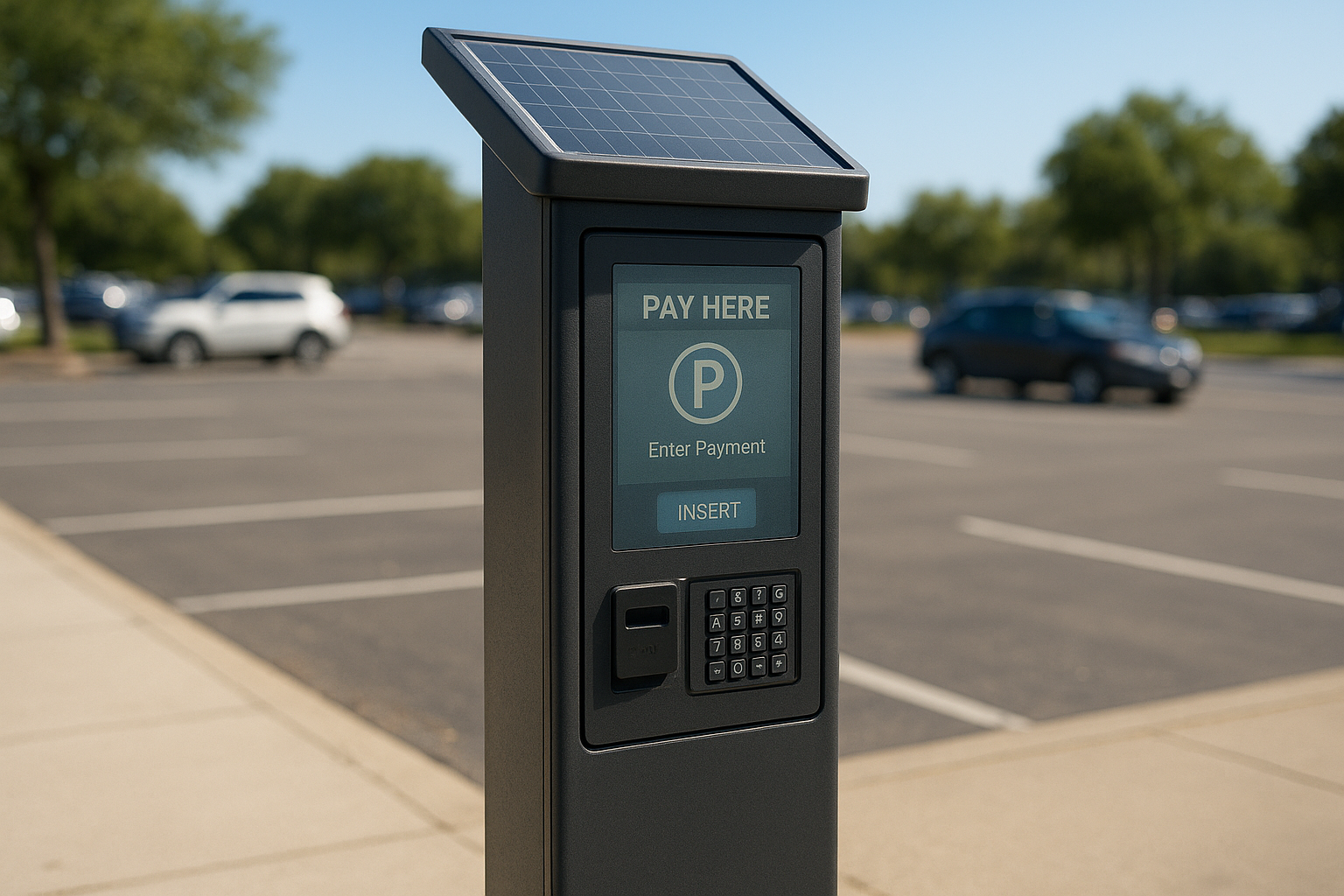
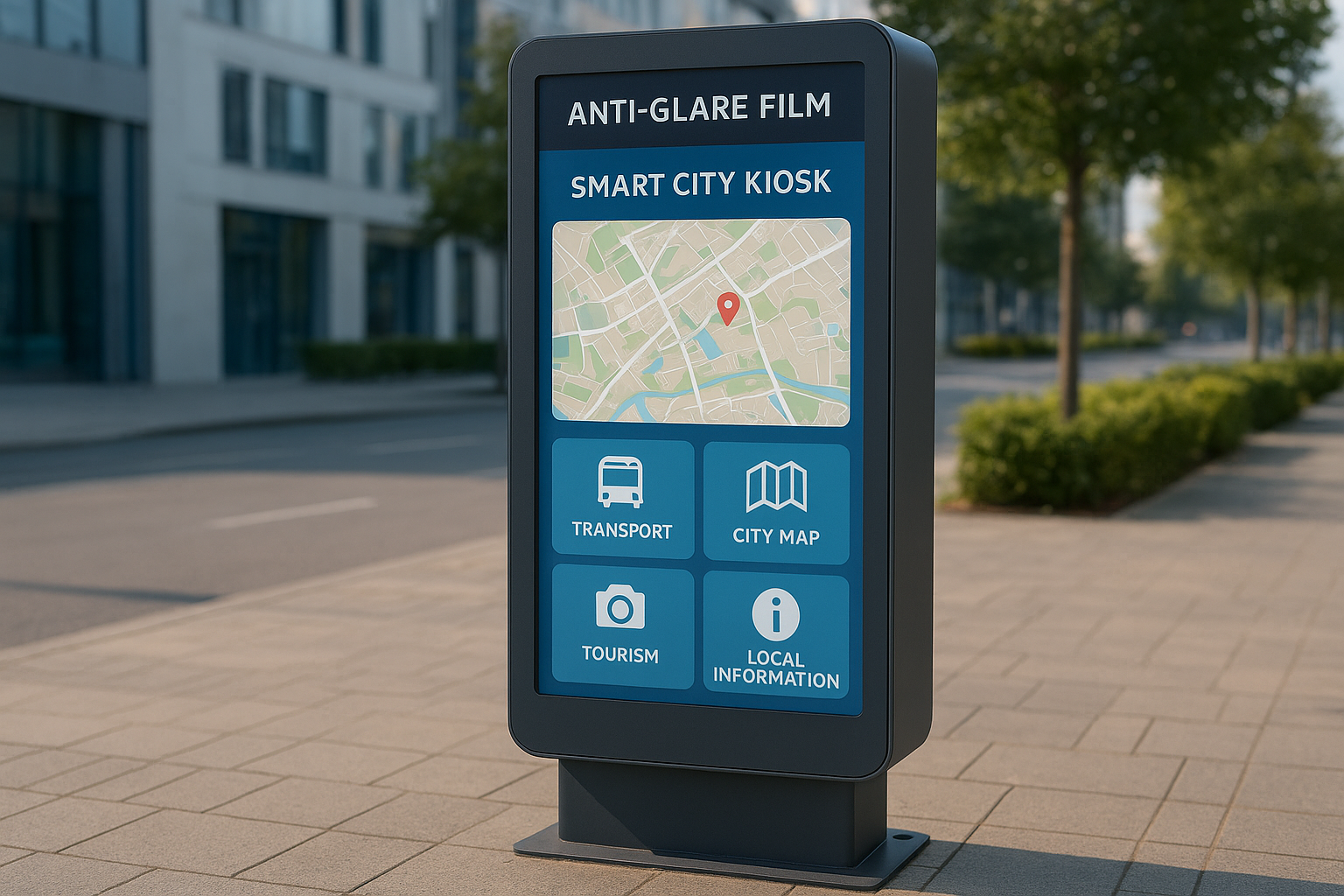
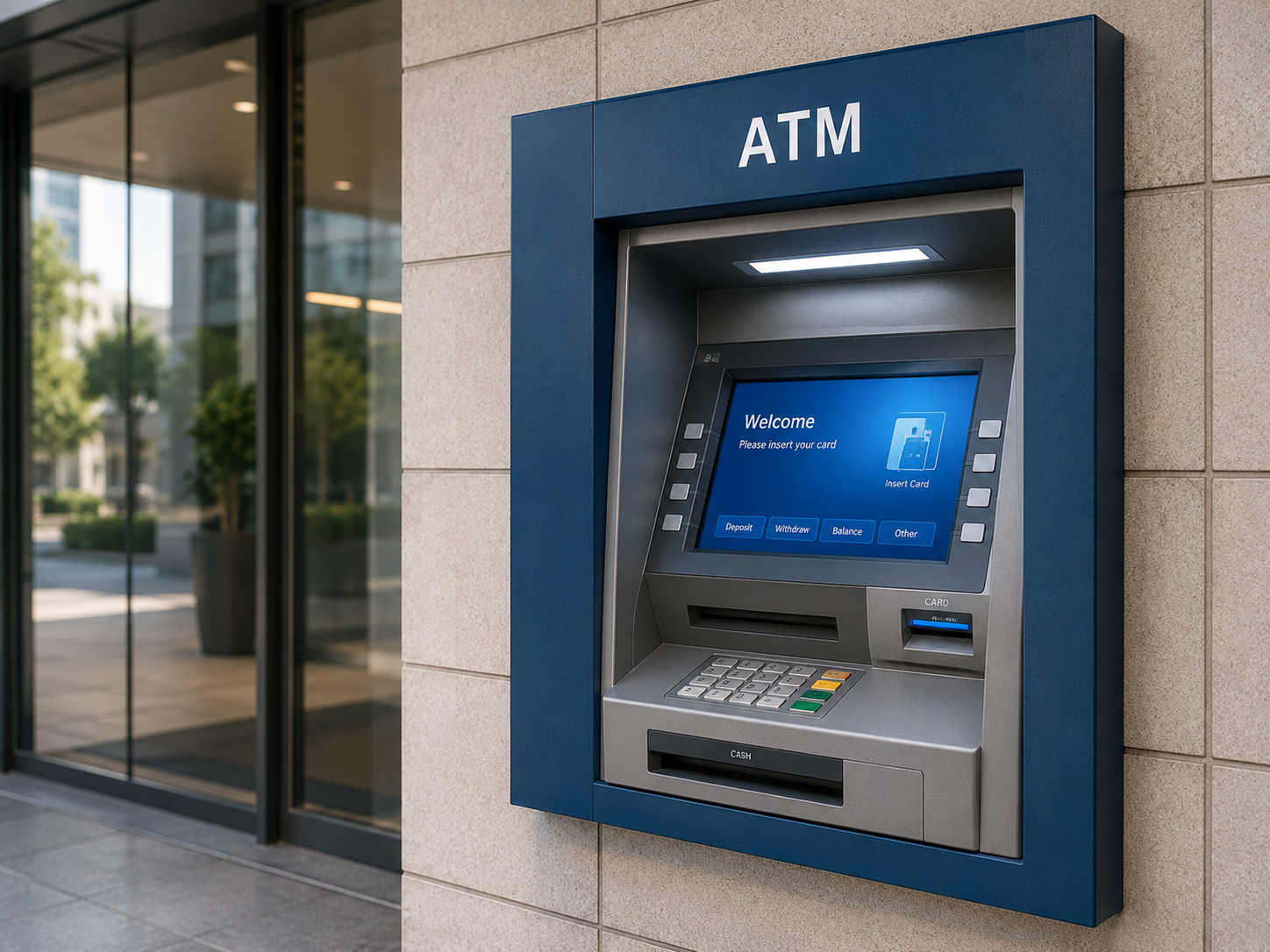
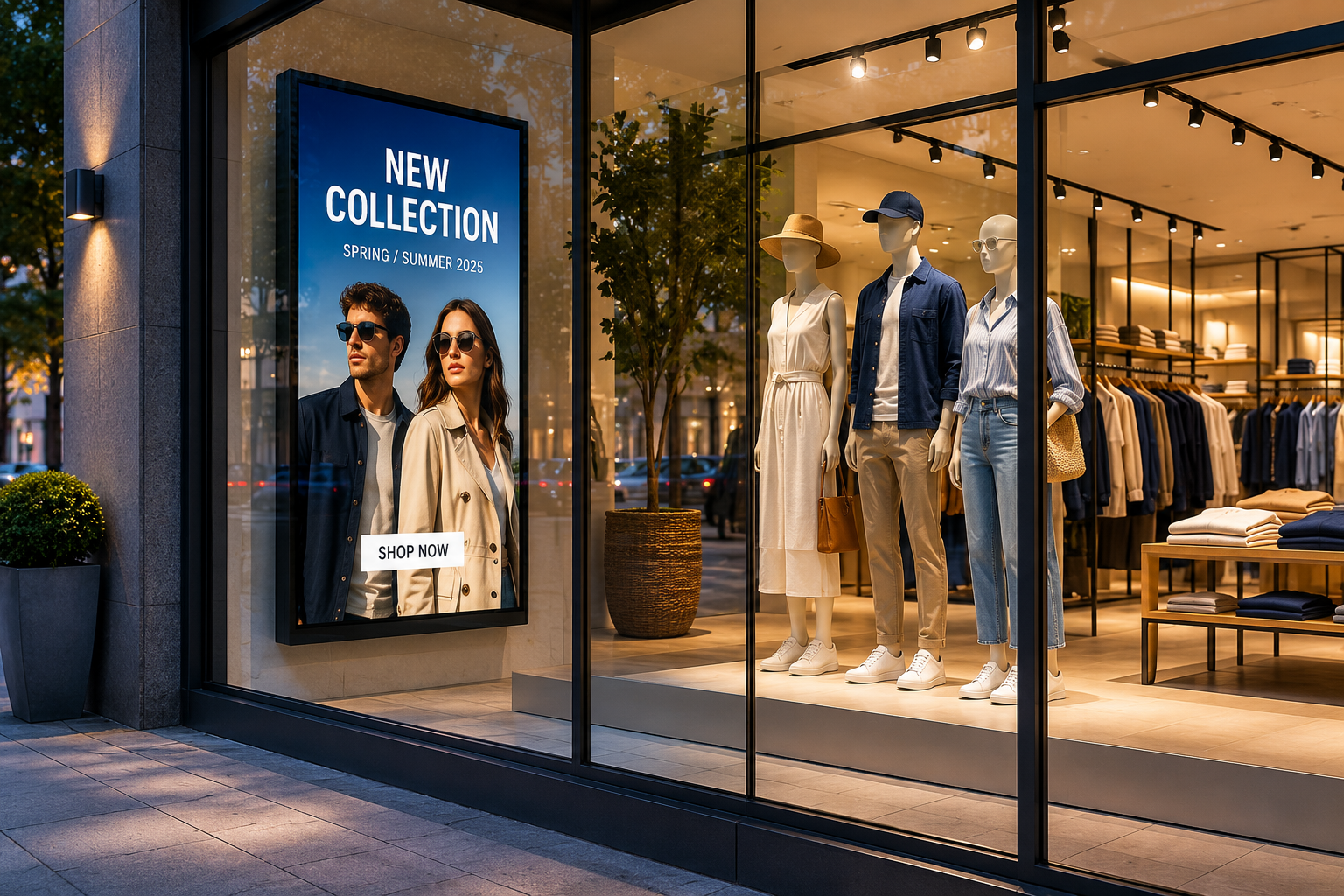
Where Anti-Glare Film Is Used

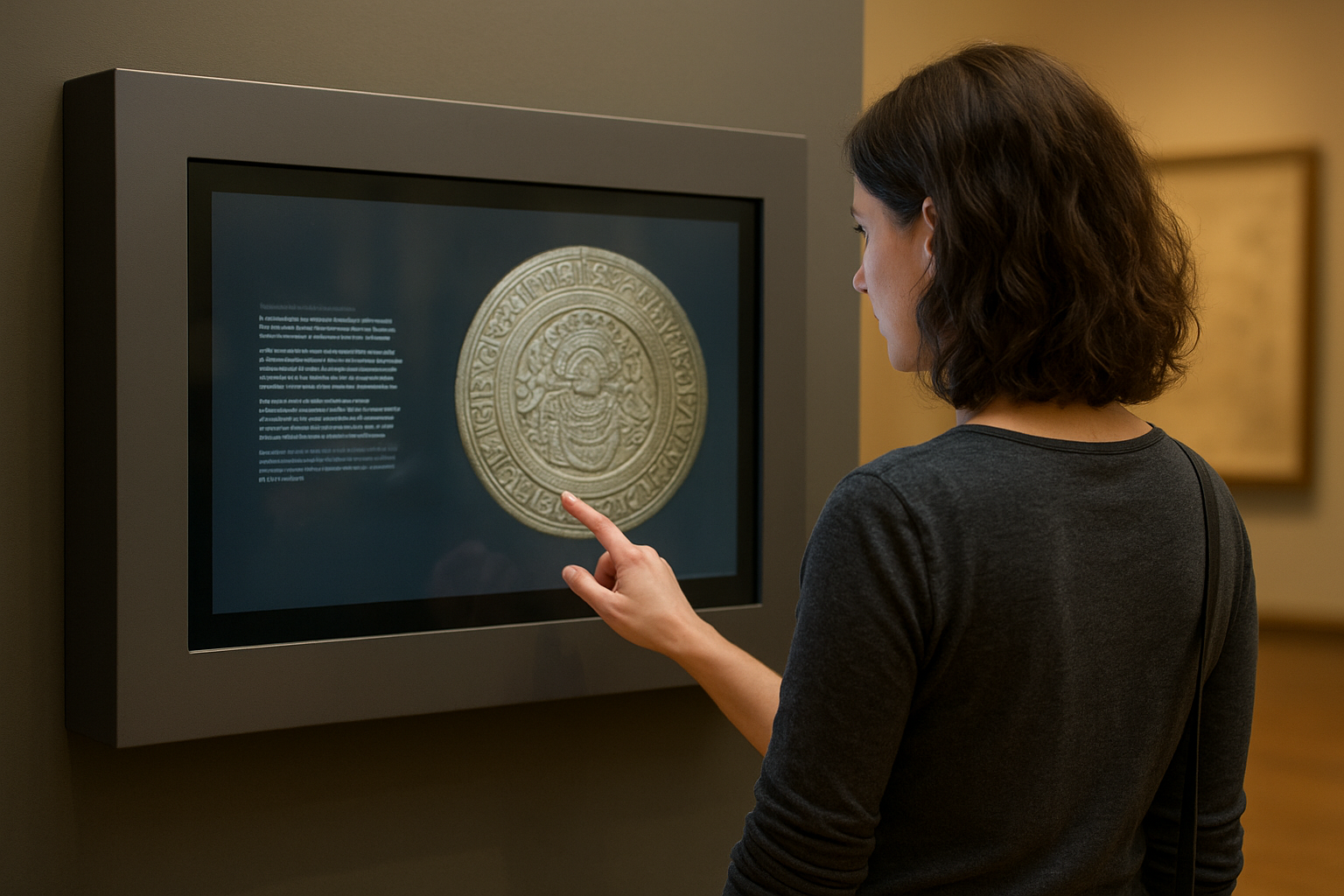
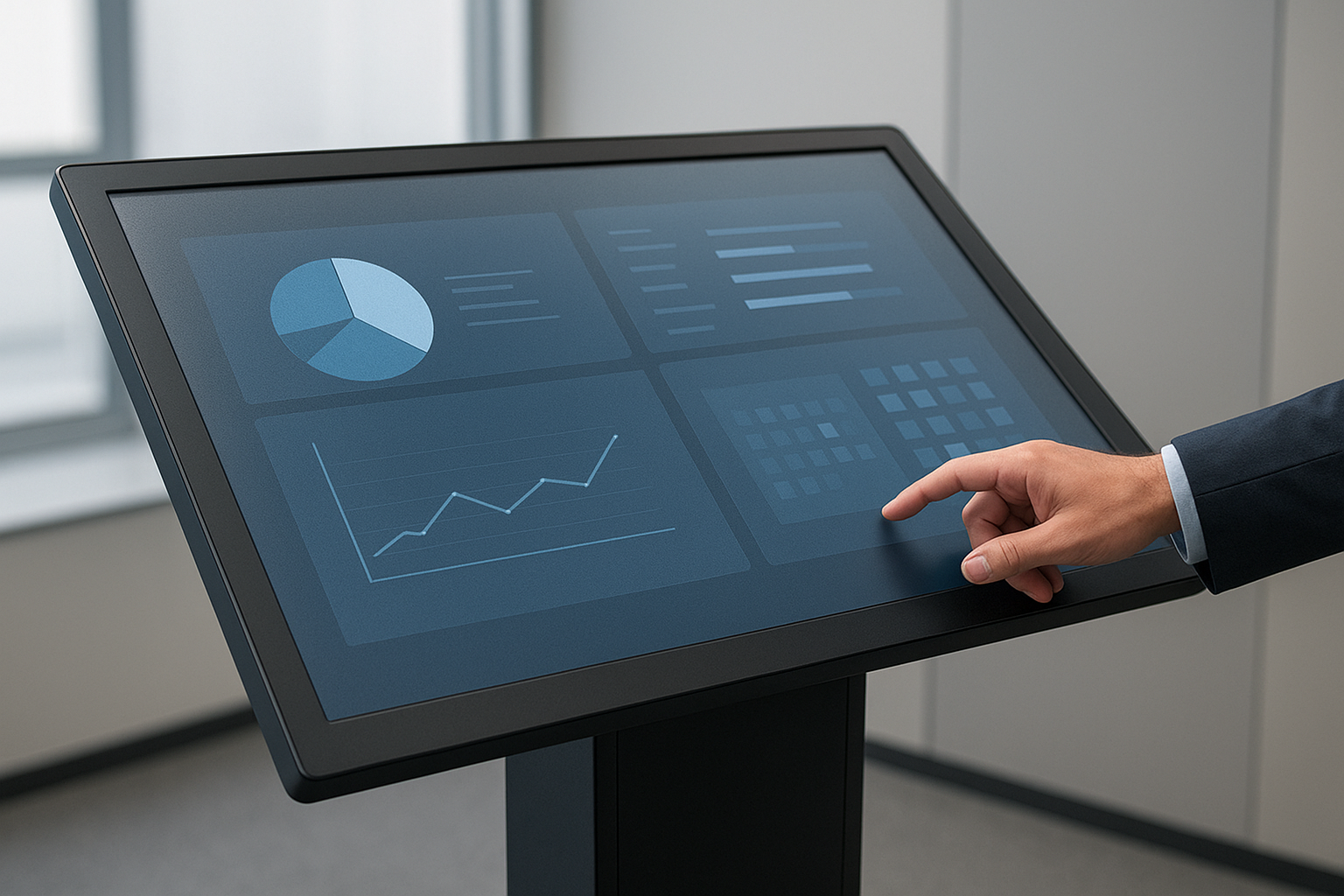
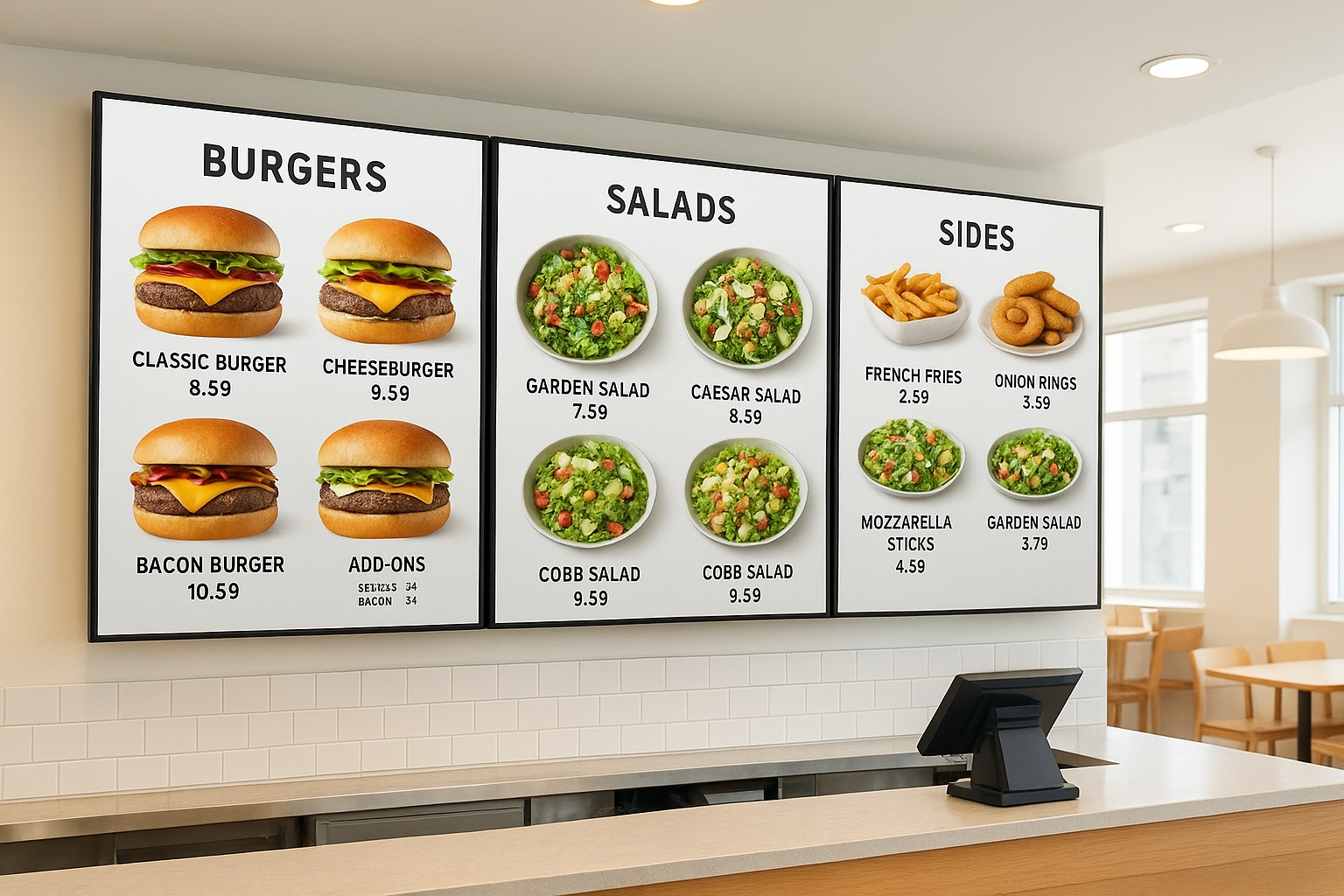
Standard or Ultra Clear for Museums?
Choose the right film for your environment and goals.
| Use Standard Anti-Glare Film When... | Use Ultra Clear Anti-Glare Film When... |
|---|---|
| Strong glare reduction is the priority | Clarity and premium appearance matter most |
| The display is utility-focused | The exhibit is visual or high-value |
| Content is mostly text or graphics | The surface protects artifacts or media |
| Cost-effective solution is preferred | Visitors view the surface up close |
| Kiosks, maps, or basic information screens | Gallery or high-design environments |
| Practical glare reduction is needed | Image quality is critical to the experience |
Standard for practical glare reduction.
Ultra Clear for premium exhibits and high-visibility installations.
Anti-Glare Film vs. Replacing Glass
Anti-glare film is often the smarter first step.
| Situation | Replacing Glass | Anti-Glare Film |
|---|---|---|
| Surface reflections | May help, but costly | Helps reduce glare |
| Existing surface works | Disruptive & expensive | Easier retrofit option |
| Acrylic glare | Still reflects | Helps diffuse reflection |
| Touchscreen glare | May not solve it | Improves visibility |
| Surface scratches | New surface still exposed | Adds protective layer |
| Temporary exhibits | Cost may not make sense | Better short-term solution |
| Installation impact | Time-consuming | Less disruptive |
Surface Types We Support
Anti-glare film can be applied to many display surfaces.
Display Glass
Exhibit Case Glass
Acrylic Panels
Touchscreen Surfaces
Protective Glass
Kiosk Panels
Custom Clear Panels
Digital Signage Covers
What Measurements Are Needed?
- Width and height of the visible screen
- Quantity needed
- Surface type
- Touchscreen or non-touchscreen
- Indoor or outdoor use
- Standard or Ultra Clear preference
- Photos of the kiosk and glare issue
- Installation location
Send accurate details for the fastest quote.
Installation Considerations
For best performance, the surface should be:
- Clean, smooth, and dry
- Free of dust, oils, and debris
- Free of scratches and damage
- Free of old adhesive
- Accurately measured
- Accessible for application
What We Need for a Quote
- Width and height
- Quantity needed
- Kiosk type and application
- Surface type
- Touchscreen or non-touchscreen
- Indoor or outdoor use
- Standard or Ultra Clear preference
- Photos of the kiosk
- Photos showing glare
- Installation location
- Shipping location
- Desired timeline